
Slow and Predictable Liverpool Performance Raises Questions
Liverpool’s season has contained moments of flair and dominance, yet the defeat at Molineux served as a reminder that this side can still drift into patterns that are slow, predictable and ultimately costly.
Wolves seized on those weaknesses to claim a dramatic 2–1 victory, striking late after Liverpool had finally shown signs of life. The result left frustration hanging in the air, not only among supporters but within the dressing room itself.
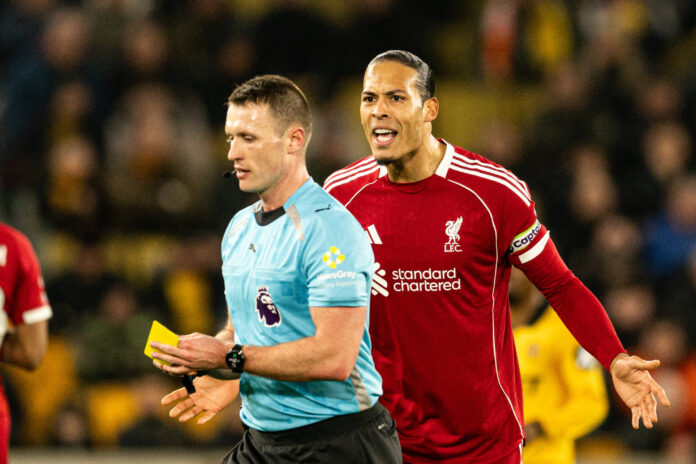
Captain Virgil van Dijk described Liverpool’s display as “slow, predictable and sloppy”, a verdict that cut through the usual post-match pleasantries. It was not the language of excuses or deflection; it was the blunt assessment of a side that knows it is capable of far better.
Liverpool’s problem was not simply the defeat. Teams lose matches. It was the manner in which the game unfolded. Wolves’ first real attempt on goal arrived deep into the contest and still ended with Liverpool chasing the game. When Mohamed Salah eventually equalised, it seemed the visitors might salvage something. Instead, stoppage time brought another familiar sting.
For Liverpool, the pattern is becoming uncomfortable.
Slot Accepts Van Dijk Verdict
Head coach Arne Slot did not attempt to soften the captain’s criticism. Instead, he accepted it.
“So ‘slow’ or ‘predictable’ are words that I can understand [Van Dijk] uses,” Slot admitted after the match.
That admission is significant. Managers often defend their players publicly, particularly after a frustrating defeat. Slot chose a different path, acknowledging that Liverpool had not played with the urgency expected of them.
He did, however, note that there were improvements as the game wore on.
“The second half was better; still not great, but better. Created more and in added time – or just before added time – I think we were twice very close from chances to score the 2-1.”
Liverpool’s attacking sequence late in the game illustrated both promise and frustration in equal measure. Salah drove forward with intent, options opening around him.
“Mo was dribbling and had on the left and the right two players open, but the ball was intercepted by the defender, and the Virgil header.”
Moments like these underline the difference between opportunity and outcome. Liverpool had the openings but failed to convert them, leaving Wolves with the final word.
Recurring Late Goals Hurt Liverpool
If one statistic tells the story of Liverpool’s season, it is this: another match lost in stoppage time.
The winner for Wolves ensured Liverpool have now conceded decisive late goals multiple times during the campaign. Crystal Palace, Chelsea, Bournemouth and Manchester City had already delivered similar blows. Add this defeat and the pattern becomes undeniable.
Slot acknowledged the cruel irony of the situation.
“Those are chances and the one we concede is not even a chance, and that is what has happened so many times to us this season,” he said.
“That it happens in added time might be a coincidence maybe, although it happened so many times, but we hardly gave away a chance today. We gave away one chance but conceded two.”
From a tactical standpoint, this raises serious questions. Liverpool have not always been overrun defensively. In fact, in several of these matches they have limited opponents to very few opportunities. Yet the margins have proved ruthless.
Slow build-up play, predictable attacking phases and occasional lapses in concentration have combined to create an uncomfortable narrative.
For a club accustomed to controlling matches, that is a troubling shift.
FA Cup Rematch Offers Immediate Response
Football rarely allows time for self-pity. Liverpool will return to Molineux just 72 hours after this defeat, this time in the FA Cup.
In many ways, it presents the perfect opportunity for a response. Another slow and predictable performance would reinforce the concerns raised by Van Dijk and acknowledged by Slot. A sharper display, however, could reset the narrative entirely.
Cup competitions often hinge on momentum and mentality. Liverpool must show both. The squad has quality, experience and attacking firepower. What it needs now is clarity and urgency.
Slot’s honesty after the defeat suggests he understands the task ahead. Recognising problems is one thing; solving them is quite another.
Liverpool’s season remains alive across multiple fronts, but performances like this cannot become the norm. Slow starts, predictable patterns and late concessions are habits that must be broken quickly.
Otherwise, the verdict delivered at Molineux will linger far longer than a single defeat.