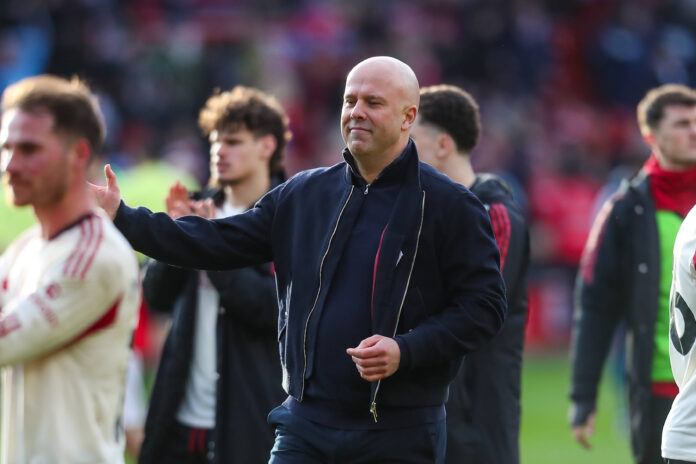

Time for Arne Slot to Be Removed
Liverpool’s humiliating defeat to Wolverhampton Wanderers on Tuesday night may ultimately be remembered as the moment when the inevitable became undeniable. Losing 2–1 away from home is not, in isolation, a crisis. Football matches are often decided by margins. But context matters, and the context surrounding this Liverpool team paints a far more troubling picture.
This was not simply defeat. It was stagnation. It was repetition. It was another ninety minutes that reinforced the uncomfortable reality that the reigning Premier League champions no longer resemble a side with direction or identity.
Under Jürgen Klopp, Liverpool were built on a foundation of intensity and belief. Chaos existed within the system, but it was controlled chaos — a storm harnessed through structure, discipline, and relentless energy. That philosophy carried the club to the summit of European and domestic football.
What we are witnessing now is something entirely different.
The structure that once stabilised the chaos has vanished. The attacking ideas appear mechanical and predictable. Possession is often sterile rather than purposeful. Opponents, even those battling relegation, now appear comfortable absorbing Liverpool’s pressure before exploiting the gaps that inevitably appear.
A team that once imposed itself on matches now drifts through them.
Perhaps most worrying is the emotional temperature of the squad. There is a visible fatigue in this group — not just physical exhaustion but a deeper sense of disconnection. Too many players look bored, uninspired, and uncertain about what the collective objective truly is.
For a club that invested heavily to evolve the squad and build upon a championship-winning foundation, this regression cannot be ignored. If Liverpool are to secure a top-five finish and salvage Champions League qualification, the current trajectory must change immediately.
And sometimes, change requires decisive leadership.

The Interim Risk and the Need for Clarity
One of the concerns I always held about this managerial appointment was the danger of inertia. Football clubs can easily drift when the hierarchy hesitates to make difficult decisions, particularly when a manager’s tenure has not yet fully collapsed but is clearly heading in the wrong direction.
Across English football we are seeing a familiar pattern. At Manchester United, the possibility of Michael Carrick eventually taking the permanent role illustrates how quickly an interim solution can transform into a long-term gamble. A short burst of momentum can seduce decision-makers into committing to a path that lacks the experience or pedigree required at the elite level.
Liverpool cannot afford that mistake.
If a change is made in the coming days, the appointment of an interim manager must come with strict clarity. Steven Gerrard would be capable of galvanising this dressing room in the short term. Few figures possess his emotional connection to the club or his ability to ignite belief within players and supporters alike.
But that appointment must remain temporary.
Liverpool have already travelled down the road of nostalgia-driven decisions before. When Kenny Dalglish replaced Roy Hodgson, sentiment allowed a legendary figure to remain longer than strategic planning may have justified. The emotional value of those moments was undeniable, but modern football demands ruthlessness alongside reverence.
The club’s future must be shaped by vision rather than memory.
Ultimately, there are no certainties in football. Managers deserve time, players deserve support, and seasons can turn quickly. Yet leadership also demands the courage to recognise when a project has stalled.
This Liverpool team is underperforming. The patterns are repetitive. The direction is unclear.
For a club of this stature, that simply cannot continue.
If Liverpool are serious about protecting both their short-term objectives and their long-term future, the moment for decisive action has arrived.
For me, that moment should come after Friday’s FA Cup fixture.