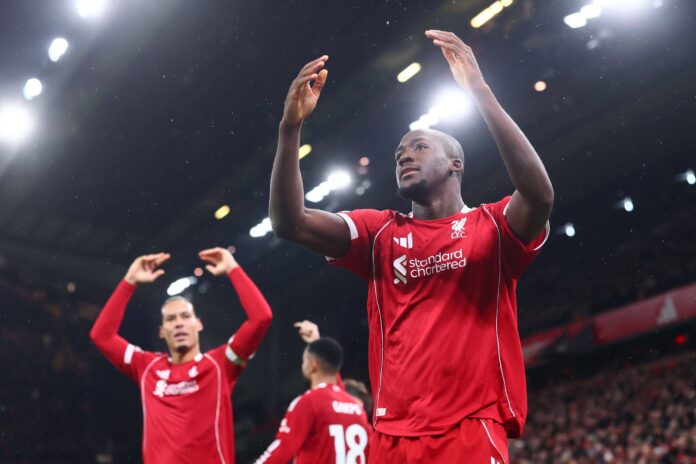

Liverpool FC stands as more than a football team. The club built a strong international presence through decades of competition, supporter culture, and steady commercial planning. Today the organization reaches audiences far outside the stadium. Media platforms, digital communities, retail networks, and entertainment sectors extend the club’s visibility into daily life for millions of supporters.
Growth beyond the pitch did not occur by chance. Club leadership invested time in audience research, global communication, and long-term planning. As a result, Liverpool attracts attention from people who may watch only a few matches each season yet still follow club news, merchandise launches, or cultural projects.
Digital Entertainment Platforms and Fan Engagement
Modern football audiences interact with clubs through many forms of online entertainment. Supporters no longer limit their activity to match broadcasts or post-game analysis. Many fans spend time on digital platforms that combine sports discussion, gaming, and other interactive experiences. These services create additional ways for supporters to stay engaged with football culture throughout the week.
One example that appears in conversations within fan communities is royalstiger. The platform attracts attention from users who already follow sports content and digital entertainment. Many supporters prefer environments where they can switch between football news, match discussions, and leisure activities without leaving the same online space.
Several factors explain why platforms such as royalstiger draw interest from football audiences:
- simple account setup and clear navigation
- quick access from mobile devices and desktop browsers
- regular updates that keep the interface active
- broad entertainment options that fit short sessions of use
- active user communities that share feedback and discussions
Football supporters often look for platforms that allow short visits between daily tasks. Easy navigation and stable performance matter more than complex features. When services meet these expectations, users tend to return regularly.
In this way, digital entertainment platforms form a small but noticeable part of the wider environment that surrounds modern football culture. They sit alongside social media, streaming services, and fan forums as spaces where supporters spend time when no match takes place.
A Global Audience That Continues to Expand
Liverpool built a large international following through historic success and a recognizable identity. Television coverage during past decades introduced the club to viewers across Europe, Asia, Africa, and the Americas. Digital platforms later strengthened that connection.
Supporters no longer depend on match broadcasts alone. Fans read daily updates, watch training sessions online, and discuss team decisions in digital forums. This constant flow of information keeps the club visible year-round.
Several factors support the growth of this global audience:
- International broadcasting agreements for league competitions
- Digital channels that share interviews, statistics, and training content
- Official supporter groups that organize events across continents
- Language localization for media posts and club announcements
- Youth engagement through academy stories and community initiatives
These elements maintain attention even outside the football calendar. Fans follow the club during transfer windows, preseason tours, and academy tournaments.
Liverpool also schedules preseason matches in different regions. Such events allow supporters to see players in person. Stadium visits create stronger emotional connection and often lead to long-term loyalty.
Digital Platforms and the Rise of Constant Engagement
Modern sports organizations rely on digital communication. Liverpool invests heavily in content production that reaches viewers through multiple channels.
Club media teams publish match highlights, tactical breakdowns, and player interviews within minutes after games. Supporters expect fast information. Quick updates maintain conversation across social networks.
Streaming platforms also host documentaries and behind-the-scenes footage. Fans see training sessions, locker-room discussions, and youth development programs. This material builds transparency and keeps the audience interested during quiet periods in the schedule.
Interactive features strengthen engagement further. Online polls, quizzes, and fan questions encourage participation rather than passive viewing.
Supporters respond quickly when the club invites them into the discussion. Comments and fan reactions create a constant feedback loop that keeps the club present in digital conversation.
Merchandise and Cultural Identity
Retail activity plays a strong role in brand expansion. Liverpool produces clothing lines, sports equipment, and lifestyle items that reach buyers far from match venues.
Supporters purchase jerseys, scarves, and casual apparel to show affiliation with the club. This activity transforms football identity into everyday culture.
Retail expansion includes:
- Online stores that ship products to international buyers
- Limited-edition collections tied to historical milestones
- Apparel designed for daily wear rather than stadium use
- Youth clothing lines for younger supporters
- Training gear that mirrors professional player equipment
These items travel across countries through online orders and international shipping networks. A supporter in one region can wear the same shirt that appears inside the stadium thousands of kilometers away.
Retail activity also strengthens the sense of belonging. Supporters display club colors in daily life, which spreads visibility beyond the football environment.
Tourism and Stadium Visits
Many supporters treat a stadium visit as a cultural experience rather than only a sports event. Liverpool attracts visitors who travel to the city to see the stadium, the museum, and the surrounding community.
The club encourages this interest through organized tours. Visitors walk through the dressing rooms, press areas, and the tunnel that leads onto the pitch. Museum exhibitions display historic trophies, match footage, and archival photographs.
Tourism creates several benefits:
- Visitors purchase tickets, merchandise, and local services
- International supporters develop stronger connection with the club
- City tourism receives additional visitors tied to football interest
Supporters often plan entire trips around a single match. Hotels, restaurants, and transportation networks all receive economic activity from this travel pattern.
Youth Development and Global Training Programs
Youth programs strengthen the brand in a different way. Liverpool operates training academies and coaching initiatives that teach young players basic football skills and sports values.
Coaches travel to different regions to host training sessions. Local players participate in short camps where instructors introduce drills, tactics, and fitness routines.
Parents often view these programs as educational experiences rather than pure competition. Young participants gain discipline, teamwork habits, and physical activity.
Youth engagement also introduces the club to families who may not follow professional football closely. Children who train in these programs often continue to follow club results for many years.
Entertainment and Online Culture
Football organizations now exist inside a broad entertainment environment. Liverpool participates in gaming, digital fan events, and interactive online experiences.
Supporters often engage with the club through sports video games or fantasy competitions. These activities create daily interaction rather than weekly match viewing.
Streaming platforms host watch-along sessions where commentators and supporters react to matches in real time. Online audiences share opinions instantly through chat features.
Even external entertainment communities sometimes reference football culture. Forums that discuss online gaming or digital leisure occasionally mention team sponsorships or fan promotions. In such discussions one might encounter names like royalstiger within broader conversations about digital entertainment markets connected to sports audiences.
This crossover shows how football identity now intersects with other entertainment sectors.
Community Programs and Social Projects
Liverpool also invests time in community initiatives that operate both locally and internationally. These programs focus on education, health, and youth participation.
Community work includes several areas:
- School programs that encourage reading and physical activity
- Health campaigns that promote exercise and balanced nutrition
- Youth mentorship projects that support personal development
- Local charity partnerships that support vulnerable groups
Supporters often respond strongly to these initiatives. Fans appreciate when a football organization participates in social projects that improve daily life.
Community engagement also strengthens trust. People who see direct benefits from these programs tend to follow club progress more closely.
Global Reach Through Data and Media Distribution
Modern sports organizations track audience behavior through data analysis. Liverpool studies viewing habits, merchandise purchases, and digital engagement patterns.
This information helps the club understand where supporters live and how they interact with club content.
The following table illustrates general categories that shape global brand activity.
| Area of Activity | Main Purpose | Audience Impact |
| Digital media | Share daily content and match updates | Maintains constant fan interaction |
| Retail sales | Distribute apparel and accessories | Expands cultural presence |
| Stadium tourism | Attract visitors to the city and venue | Strengthens emotional connection |
| Youth programs | Train young players worldwide | Builds long-term supporter base |
| Community projects | Support education and health | Strengthens social reputation |
Each category supports long-term recognition. Together they extend the club’s reach far beyond match results.
Media Narratives and Historical Identity
History plays an important role in Liverpool’s international recognition. Supporters often learn about past victories, famous players, and dramatic matches through documentaries and written archives.
Club media teams publish historical content that revisits major moments from earlier decades. Fans who discover the club today often explore this material to understand its background.
Historical awareness creates continuity between generations of supporters. Parents introduce children to famous matches from previous eras. Young fans then build their own connection with the club through current competitions.
This cycle keeps the club relevant across different age groups.
The Future of Liverpool’s Global Presence
Liverpool will likely continue expanding its presence outside football competition. Digital technology offers new communication channels each year. Virtual events, interactive broadcasts, and new entertainment platforms will shape how supporters interact with sports organizations.
At the same time, core football performance still drives attention. Strong results on the pitch maintain credibility and attract new viewers.
If the club maintains balance between sporting success, community engagement, and global communication, the brand will remain visible across many cultural spaces.
The modern sports organization no longer exists only inside stadium walls. Liverpool demonstrates how football institutions grow into global cultural entities that connect sport, entertainment, and community life.