
Liverpool’s Anfield Problem: Scholes’ Verdict Raises Questions Over Identity
Anfield aura fading under scrutiny
There was a time when stepping onto the turf at Anfield felt like entering hostile territory for any visiting side. The noise, the ferocity, the relentlessness — it all combined to create a psychological edge that Liverpool wielded with ruthless efficiency. But that aura, once synonymous with dominance, is now being openly questioned.
Recent performances suggest a shift that is difficult to ignore. After 15 home matches this season, Liverpool have recorded eight wins, four draws and three defeats, scoring 27 goals while conceding 17. These are not the metrics of an untouchable fortress; they are the numbers of a side that can be tested — and beaten — on its own patch.
Opponents no longer arrive hoping to survive. They arrive believing they can compete. That psychological swing is perhaps the most telling statistic of all.
Scholes highlights tactical shift
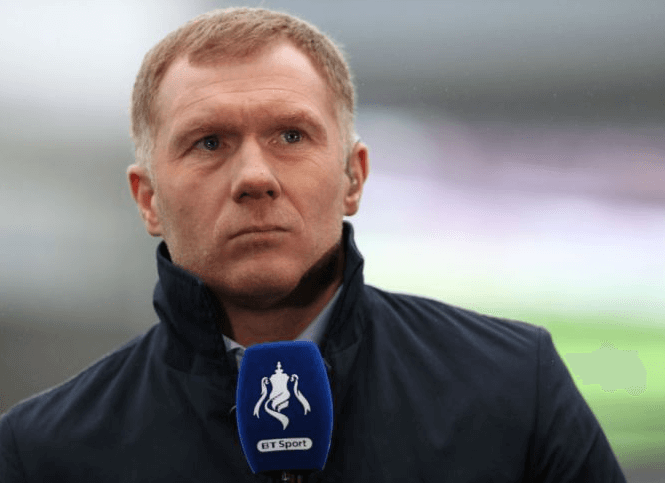
Few voices carry as much weight in English football analysis as Paul Scholes, and his assessment cuts straight to the core of Liverpool’s current identity crisis. Speaking on a recent podcast, he delivered a blunt verdict on the changing nature of Anfield.
“Anfield was always the toughest place to go,” he said. “You had the fans on top of you and the players on top of you… now this last year and a half it’s become probably one of the easiest places to play and you’d never say that about Anfield.”
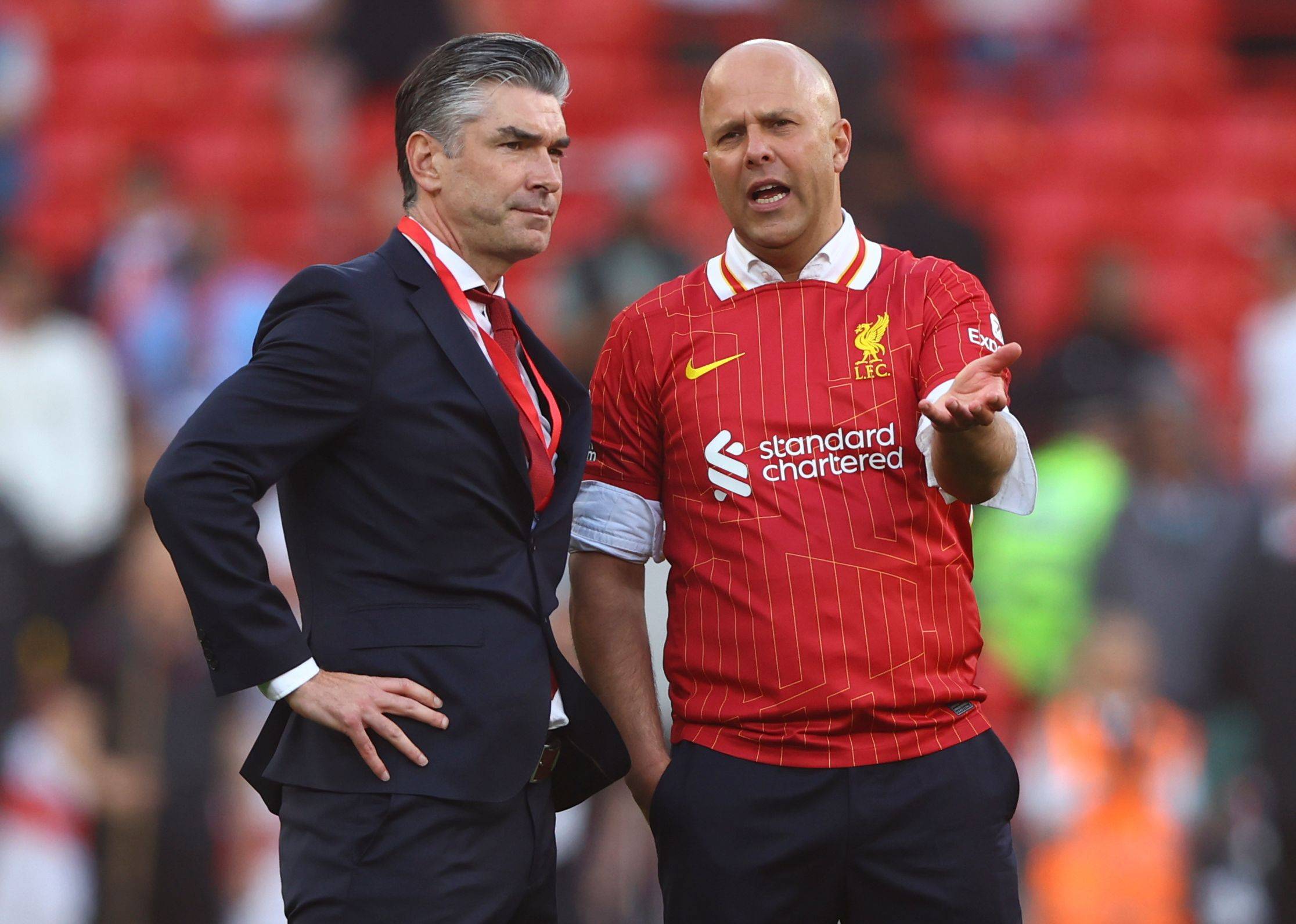
That observation is not rooted in nostalgia alone. It reflects a tactical recalibration under Arne Slot that has subtly altered Liverpool’s DNA. Where once the side thrived on chaos, intensity and verticality, there is now a discernible shift towards controlled possession.
Scholes pointed to this evolution directly, suggesting the team has drifted from its natural identity. “Liverpool aren’t a possession team, they’re just not — they’re all over you like a Jurgen Klopp team. Now he’s trying to do it a little bit different and I just don’t think it suits Liverpool.”
Identity dilemma shaping results
This is not merely a stylistic debate; it is a performance issue with tangible consequences. Under Jurgen Klopp, Liverpool’s approach was built on suffocation — pressing high, winning second balls, and overwhelming opponents physically and mentally. Matches at Anfield often felt decided before kick-off.
The current iteration appears more passive, more measured, and crucially, more vulnerable. The intensity that once defined Liverpool’s home form has been diluted, leaving gaps both structurally and psychologically.
Scholes’ critique extends beyond tactics into mentality. “They’ve lost that determination to stop the other team,” he noted. “They still want to be a nice pretty football team — but you’ve got to stop the other team.”
That balance — between aesthetics and aggression — is where Liverpool are currently falling short. Possession without penetration, control without intimidation: these are not qualities that traditionally win titles at Anfield.
Pressure building on Slot
For Slot, the challenge is immediate and unforgiving. Success in his first season has bought some credit, but expectations at Liverpool are rarely patient. The club’s identity is not just about results; it is about how those results are achieved.
There is a growing sense that this transition has unsettled both players and supporters. The crowd, once a driving force, has become reactive rather than proactive — a subtle but significant shift in energy that further erodes the home advantage.
As highlighted in the original report from LiverpoolWorld, the concerns are not sudden but have been building since the latter stages of last season. The warning signs were there; now they are manifesting in dropped points and diminished fear factor.
Liverpool remain a strong side, capable of competing at the highest level. But the question is no longer about quality — it is about identity. Can Slot blend control with the traditional aggression that made Anfield feared across Europe? Or will this evolution continue to soften one of football’s most iconic strongholds?
The answer will define not just Liverpool’s season, but the long-term direction of the club.