
Diomande Race Signals Summer Transfer Flashpoint
There are moments in every transfer window when the noise sharpens into something more meaningful. This feels like one of them. According to SportsBoom, both Manchester United and Liverpool are preparing to “go head-to-head this summer for one of Europe’s brightest talents” in Yan Diomande, a player whose trajectory has been anything but ordinary.
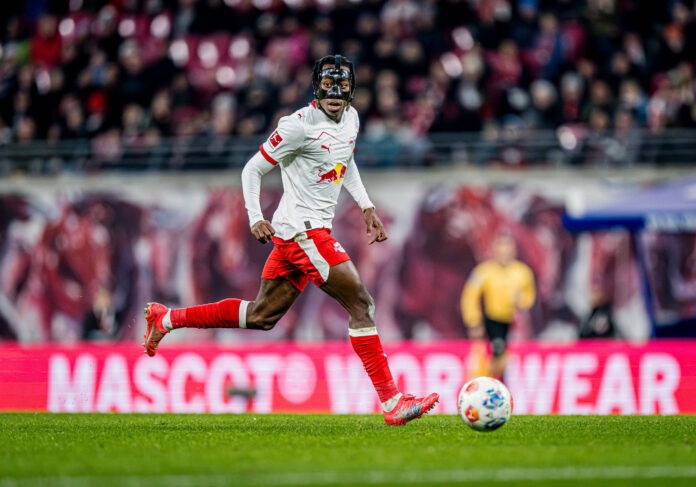
At 19, Diomande already carries the aura of inevitability. “The 19-year-old Ivory Coast international is on the most wanted list of both North West rivals,” the report states, and it is not difficult to see why. Ten goals and six assists in 26 appearances for RB Leipzig suggest a player accelerating towards elite status, not merely flirting with it.
Rising Star Profile Builds Momentum
What stands out most is not simply the output, but the manner of it. Diomande’s “18-minute second half hat-trick against Eintracht Frankfurt” has become a defining snapshot, a glimpse of a footballer capable of bending games to his will in short bursts. That he became “the second youngest player in Bundesliga history to achieve the feat” only sharpens the intrigue.
His journey has been unconventional. From a La Liga debut against Real Madrid at 18, to a rejected opportunity at Glasgow Rangers, and then a £20 million move from Leganes to Leipzig, Diomande’s path reflects both risk and resilience. One might argue that such detours have forged a sharper edge.
Liverpool Succession Question Looms
Perhaps the most striking claim in the report is that “Liverpool see dynamite Diomande as replacement for abdicating Egyptian King Mohamed Salah.” It is a bold projection, one that speaks to both Diomande’s potential and the scale of transition facing Liverpool.
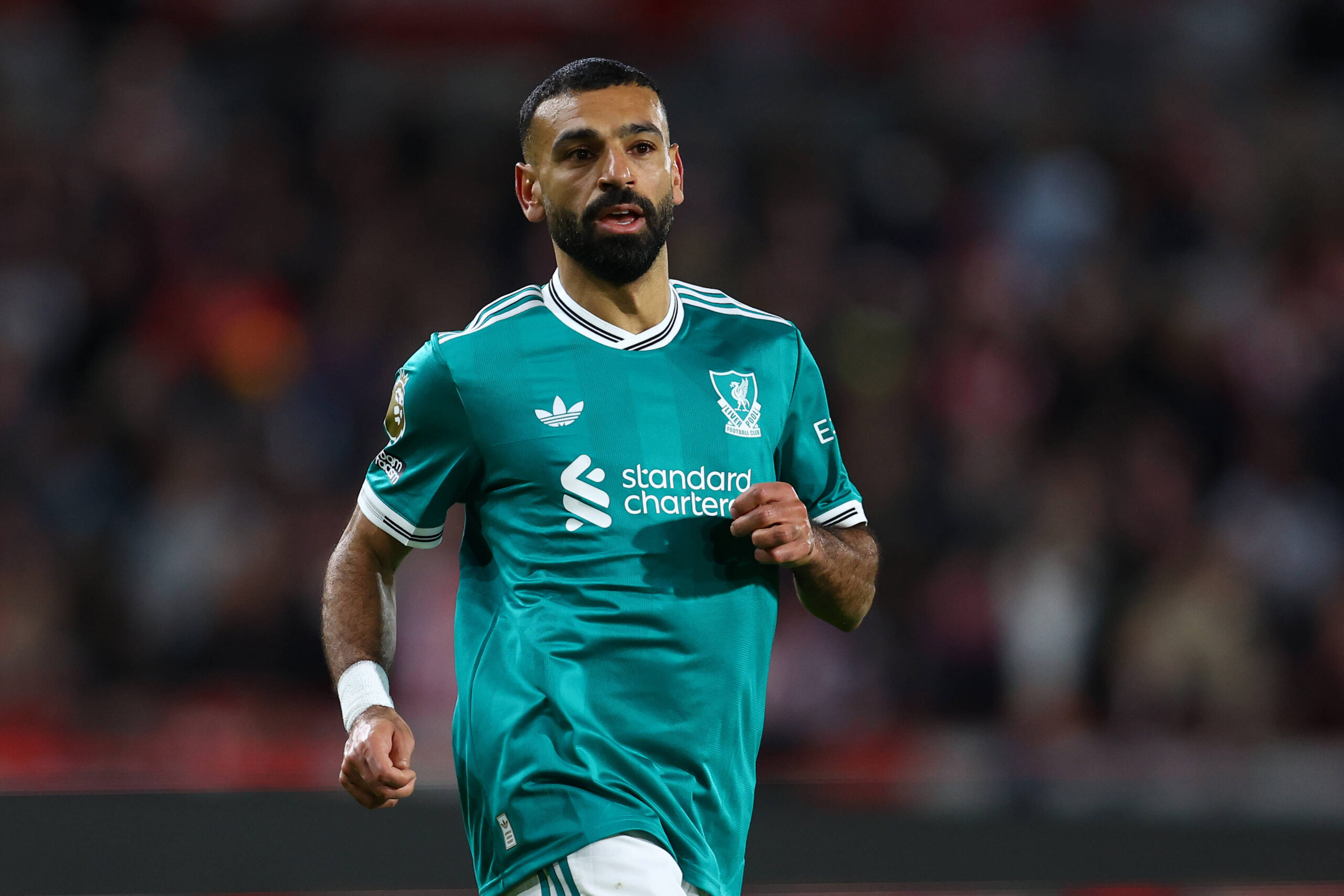
Replacing Mohamed Salah is not a tactical tweak, it is a structural upheaval. Salah has defined Liverpool’s attacking identity for years. To identify Diomande as a successor suggests belief not only in his talent, but in his capacity to carry narrative weight.
United Strategy Hinges on Familiar Links
For United, the pitch is subtly different. The presence of Benjamin Sesko offers a bridge. “The Red Devils will hope in form striker Benjamin Sesko can make the difference in their pursuit of Yan Diomande,” the report explains, highlighting existing relationships within the Leipzig ecosystem.
There is also a broader attacking framework taking shape, with Bryan Mbeumo and Matheus Cunha mentioned as complementary pieces. Diomande, in this context, becomes part of a wider rebuild rather than a singular focal point.
What emerges is a classic Premier League duel, ambition meeting opportunity, narrative colliding with strategy. Whether Diomande chooses Anfield or Old Trafford may ultimately depend on which vision feels more complete.
Our View – Anfield Index Analysis
From a Liverpool perspective, this report raises as many questions as it answers. The suggestion that Diomande could replace Salah feels premature, even if the talent is undeniable. Salah’s output, consistency and durability have set a benchmark that few players in Europe can approach, let alone a 19-year-old still finding his rhythm at elite level.
There is also a strategic concern. Liverpool’s recent struggles have not stemmed from a lack of wide talent alone. Structural issues in midfield balance, chance creation quality and tactical clarity remain unresolved. Bringing in Diomande without addressing those fundamentals risks placing undue pressure on a young player.
That said, there is clear logic in targeting emerging stars before they fully explode. Diomande’s numbers, 10 goals and six assists, coupled with his Bundesliga impact, suggest a player ready for the next step. His pace, directness and confidence in one-on-one situations would suit Liverpool’s traditional attacking profile.
The key question is timing. If Salah does depart, Liverpool must decide whether to pursue a like-for-like replacement or to evolve the system entirely. Diomande offers excitement, but he is not yet certainty.
For supporters, this feels like the start of a narrative rather than its conclusion. Liverpool’s recruitment has often thrived on identifying players just before their peak. The challenge now is ensuring that the environment they step into allows them to reach it.