For most of our readers, professional football looks like the ultimate dream. Devoted fans, fame, doing your favorite thing, money, money, money. We bet that professional football athletes would disagree with this romanticization of their career.
A recent study found that a quarter (26%) of footballers have anxiety and depression. Almost 40% of retired players have depression [1]. The stories of “sad footballers” come as a surprise, but shouldn’t, according to the statistics.
In this post, we’ll look at 13 examples of footballers with mental illness and explore the silenced side of football, its impact on mental health, to be exact.
Why Professional Football Impacts Mental Health
One study of 253 current and former professional footballers found burnout present in almost every player from both groups. And burnout is a significant predictor of further mental health troubles. It doesn’t mean every player is struggling, but it clearly shows that mental health is a serious occupational issue in football.
Although more athletes speak up about how detrimental the profession in football can be, football associations don’t require significant measures. Football players do have psychological evaluations, like an attachment style test, three times per season. But the pressure to be composed is so strong that most football players won’t be sincere.
What makes football players so susceptible to mental health problems?
- Performance pressure. Every match affects a player’s position, contract, and reputation. The fear of being dropped or replaced is huge, and mistakes are unacceptable. It puts the body in a state of constant stress and panic.
- Injuries. When an injury takes players off the pitch, it can trigger a loss of purpose, fear about the future, and a sense of disconnection from the team. That’s the reason retired players have high rates of depression and even suicide.
- Fan pressure. In the 21st century, football players are the ones most exposed to criticism and fan abuse due to social media. The issue is so bad that receiving death threats has become a daily routine.
- Internal conflicts. Miscommunication with coaches, teammates, or agents can create instability. Add to that the short and uncertain nature of football careers, and you get a profession where security is never guaranteed.
Football Players Who Spoke Up About Their Mental Illness
For a long time, mental health in football was something players were expected to handle privately, if at all. Speaking openly could be seen as a weakness, something that might affect contracts.
That’s why the voices of players who chose to share their struggles matter. Each story not only challenges the stigma but also gives others permission to advocate for their rights.
-
David Beckham (OCD, anxiety)
David Beckham has spoken about living with obsessive-compulsive tendencies and anxiety in his Netflix documentary. His OCD tendencies showed up in a need for order and pairing, arranging things in pairs.
For years, these behaviors were framed as “meticulosity,” but Beckham was vocal about how tiring and disruptive these rituals were.
Public reaction to David’s confession was largely supportive, thanks to Beckham’s openness, which felt relatable. His case helped spread the knowledge that what’s known as “professionalism” can actually come at a cost. Meaning that being “unprofessional” and prioritizing one’s own well-being is sometimes a better personal choice.
-
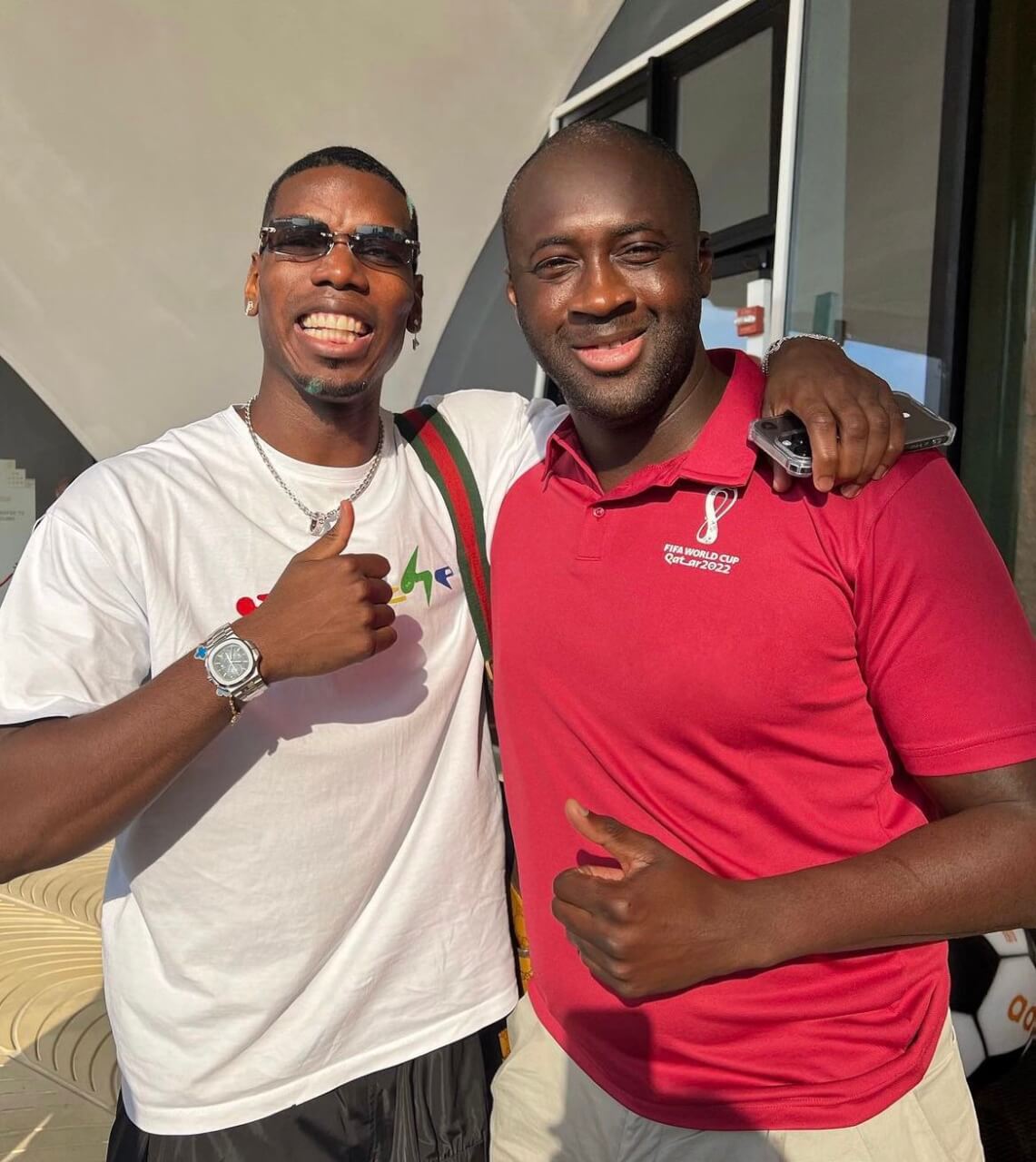
Paul Pogba (depression)
Paul Pogba, a French-Guinean footballer, became famous for his long tenure at Manchester United and for being one of the club’s most productive players.
In recent interviews, Pogba discussed how the time at Manchester United was triggering to him due to strained relationships with the team and his manager, Jose Mourinho. The public reacted with hostility: how can one of the best players complain about tension when it’s part of his job?
However, the way Pogba described his feelings of isolation made other football players feel relieved. Paul claimed that despite high earnings, footballers suffer from mental health struggles just like anyone else, but do not talk about it, exactly due to the reaction he received.
-
Ferran Torres (anxiety)
Ferran Torres has openly discussed dealing with anxiety, especially after joining FC Barcelona. Instead of hiding it, he openly talks about his self-doubt and whether he deserves a spot among the best athletes in his profession.
Torres talked about how seeing a sports therapist helped him get out of a “bottomless pit” due to loss of confidence [2]. His openness is a testimony to a generational shift in football, where younger players are more willing to seek help and talk about mental health as part of their routine, not as a last resort.
-
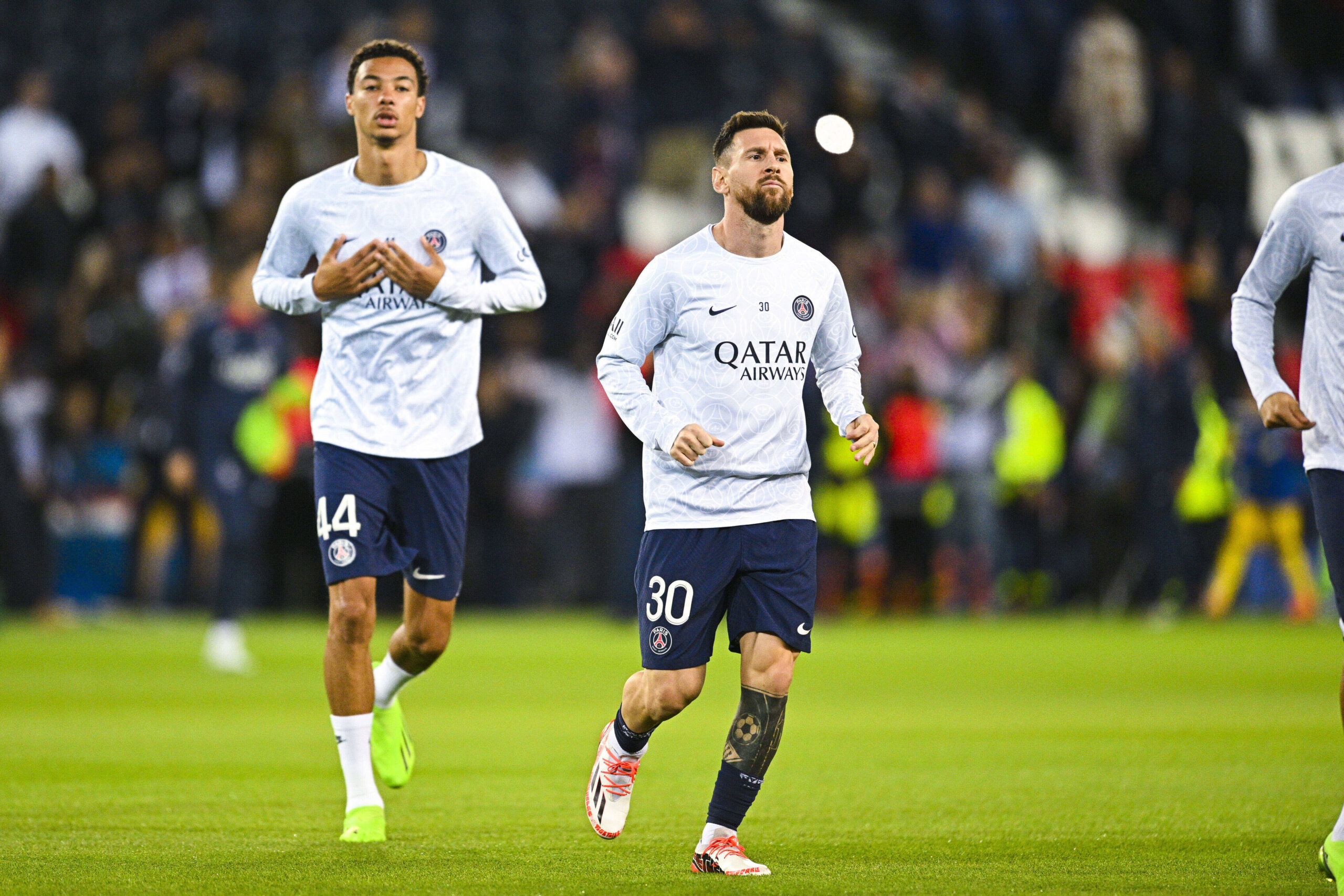
Lionel Messi (anxiety)
Lionel Messi, GOAT and legend, is very protective of his private life. Although he doesn’t get into detail about his inner worries, the forward of Inter Miami admitted that he can be incredibly anxious during high-stakes matches.
Imagine the expectations that are placed on Lionel as having won 46 team trophies. Although Messi isn’t very vocal about the performance pressure, he represents the privacy footballers need in order to thrive professionally.
Diogo Jota (depression)
Diogo Jota, a Portuguese footballer who played for Liverpool, has spoken about the inner worries and self-doubt that eroded his confidence. In his interview, Diogo shared:
“Speaking to someone and saying the problems out loud helps. It happens to me, I have a fear, but when I say it out loud, it already gives you a different feeling and I think that’s one of the good reasons why you should speak to someone.” [3]
Being a long-standing mental health advocate, Diogo Jota is an example for the next generation of young players. Rest in peace.
Billy Kee (depression, anxiety, bulimia)
Billy Kee has one of the most openly discussed mental health journeys in football. He spoke about struggling with depression, anxiety, and bulimia, eventually stepping away from professional football to focus on recovery.
Eating disorders among football players are still a taboo topic, but Kee has since become an advocate, using his experience to support others facing similar challenges.
Nowadays, Billy plays for Quorn Football Club in the Southern League. He combines his semi-professional football with working as a bricklayer and caring for his family.
Ronald Araújo (anxiety, depression)
Ronald Araújo plays as a center-back for La Liga club Barcelona and is also the captain of said team. In late 2025, he admitted that he had been dealing with anxiety and depression for almost two years. Following his confession, Araújo took a mental health break.
Ronald returned from his break in early 2026 and admitted he felt like a brand-new person. The effect of therapy on him was so overwhelming that Araújo encouraged more footballers to seek help and not “suffer alone.”
The center-back’s comeback was so emotional and inspiring that millions of people reacted with awe about Araújo’s personal journey.
Footballers Who Passed Away Due to Mental Health Problems
Important: We approach the stories of past football players to demonstrate how tragic unaddressed mental health issues can be in football. We don’t intend to make headlines out of their stories.
George Harrison
George Harrison is a legendary football player who played for Blackpool, Preston North End, Rangers, etc. George was a durable and successful player who even fought in the First World War after it interrupted his career.
Harrison was also long known to deal with depression. Like many athletes, he faced pressures. In that time, there were no mental health support systems for athletes, and George’s life ended tragically due to suicide.
Agostino Di Bartolomei
Agostino Di Bartolomei was a respected captain of AC Roma in the 1970s and 1980s. His career was brilliant, but Agostino struggled a lot after retiring. According to his friends and family, the former captain has lost his purpose and identity.
Football had structured his entire life, and without it, he was lost. Before his tragic death by suicide, Di Bartolomei also had a few unsuccessful seasons that were further contributors to his declining mental health.
“I can’t see any way out!” was written in his suicide note. We will never know whether his fate would have turned out differently if Agostino had felt he had people to turn to.
Mirko Šarić
Mirko Šarić was a promising young Argentinian talent whose career was just beginning. After his debut as a midfielder for San Lorenzo de Almagro, Real Madrid expressed interest in a rising talent.
Despite his potential, Šarić experienced intense internal pressure. According to his mother, Mirko was severely depressed. Mirko passed away at 21 due to suicide.
His passing highlighted how younger players, even at early stages of success, are not immune to pressure.
Robert Enke
Robert Enke was a German goalkeeper who played mostly in the German league and briefly for FC Barcelona. He lived with depression for years, much of it hidden from the public. His death shocked the football world and led to widespread conversations about mental health, including the creation of foundations and initiatives aimed at supporting athletes.
Gary Speed
Gary Speed was a highly respected player at Bolton Wanderers and Newcastle United, and later a national team manager at Sheffield United and the Wales national team. Outwardly, he appeared stable and successful, but success isn’t a predictor of a long life.
Speed’s death reminds us that mental health struggles are not always visible, even to those closest to someone. The story of Garry and others underlines a difficult truth: success, recognition, and talent do not protect you from emotional pain. But awareness does.
Conclusion
Mental health in football is no longer something that can be ignored. The stories of players who have spoken up, as well as those we’ve lost, show that performance pressure is not always healthy. It’s something athletes take with them after games as well.
Change already happens. Footballers talk openly about their struggles, and it makes it easier for others to do the same. They are bold for challenging the idea that strength equals silence.
And this goes beyond football. You don’t have to be a professional athlete to feel overwhelmed by expectation or self-doubt. If anything, these stories are a reminder that struggling doesn’t make you weak. You’re not the only one feeling this way. Help is always there. You just have to ask for it.