

Have you ever noticed how a simple game of cards in a movie feels like a world-altering event? You know the scene—the camera zooms in, the music gets all tense, and everyone looks like they just stepped off a fashion runway. That’s the “Aesthetics of Risk” at work! Media, from Hollywood blockbusters to slick streaming shows, has spent decades perfecting a very specific look for high-stakes culture. It’s not just about the game; it’s about the vibe, the fashion, and that electric feeling in the air.
Let’s be real: we’ve all felt that little spark of excitement when we see a character bet it all on a single turn. But why does it look so cool? Why do we associate risk with neon lights, expensive suits, and high-tech gadgets? It’s a fascinating mix of psychology and design, and today we’re going to break down exactly how the media pulls it off!
The Hollywood Glow: Glamour, Tuxedos, and Neon
Think about the way Las Vegas is portrayed. It’s a sea of neon greens, hot pinks, and bright golds. These colors actually trigger a physiological response—they keep us awake and alert! Media creators use these “electric” colors to mimic the rush of adrenaline. Even when you’re just watching a screen, your brain starts to sync up with that high-energy environment.
This is exactly why modern platforms work so hard to capture that same feeling. For instance, if you visit a top-tier site like vulkan vegas casino, you’ll see those same design cues. The deep blues, the pops of bright color, and the slick, polished interface aren’t just there by accident. They’re designed to give you that same “main character” feeling you get when watching a heist movie. It’s all about creating a space that feels exciting and premium from the very first second!
The Symphony of Sound: More Than Just Background Music
Guess what? The way high-stakes culture sounds is just as important as how it looks! Media uses sound design to build tension and then release it in a way that feels totally satisfying. Imagine a movie scene where someone is about to make a big move. You hear the clink of heavy chips, the rhythmic shuffle of cards, and the low hum of a crowd in the background. These sounds are often amplified to make them feel “weighty.”
The music usually starts as a low, pulsing bassline—kind of like a heartbeat. As the tension grows, the music gets faster and more complex. When the result is finally revealed, there’s a big “crescendo” or a sudden silence. This “audio journey” is a huge part of the aesthetic. It makes the risk feel physical! You don’t just see the stakes; you feel them in your chest.
The Digital Shift: From Smoky Backrooms to High-Tech Hubs
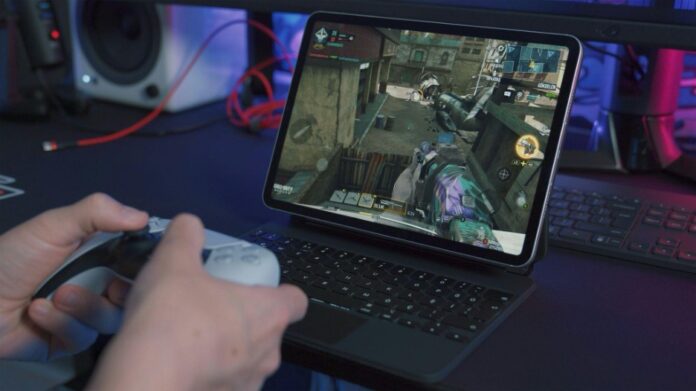
Back in the day, movies used to portray risk in dark, smoky rooms with low lighting. It felt a bit gritty and mysterious. But lately, there’s been a massive shift! Now, the aesthetic is all about “The Future.” High-stakes culture in modern media is portrayed as high-tech, clean, and incredibly fast. We’ve moved from old-school wooden tables to glowing glass screens and digital interfaces.
This shift reflects how we actually live our lives now. We’re tech-obsessed! So, the media gives us an aesthetic that feels like a sci-fi movie. Everything is responsive, everything is glowing, and everything is instant. This “Cyberpunk” or “High-Tech” look makes the world of risk feel more accessible but also more exciting, like we’re part of a global, digital network.
One of the best places to see this tech-heavy aesthetic in action is in the world of live streaming. When you check out a high-end https://vulkanvegas.com/en/category/live-casino section, you’re seeing the peak of this “Digital Aesthetic.” You have real humans interacting with you in real-time, but they’re surrounded by high-definition cameras, glowing digital overlays, and instant data. It’s the perfect blend of the human element and the futuristic tech vibe that media has made so popular!
3 Ways Media “Dresses Up” the Concept of Risk
If you want to spot these tricks next time you’re watching a movie, keep an eye out for these three things:
- The “Slow Motion” reveal: Media loves to slow down time when a big result is coming. It makes the moment feel “heavier” and more important than it really is.
- The “Close-Up” focus: Have you noticed how the camera will focus on tiny details—a drop of sweat, a finger twitching, a card being flipped? This builds an intense sense of “intimacy” with the risk.
- The “Redemption” arc: Even if a character loses, the media often makes the loss look “poetic.” They use soft lighting and sad music to make the risk feel noble, even if it didn’t pay off.
You might be wondering, “Okay, but why do I care?” Well, the truth is, these aesthetics help us process big emotions. Life is full of small risks every day, and seeing them portrayed as something glamorous and heroic makes us feel a little more capable in our own lives. It’s a form of escapism! We get to step into that glowing, neon-lit world for a bit and feel that “high-stakes” energy.
It’s also about connection. We share these aesthetics across social media, through memes, and in our favorite shows. It’s a universal language of excitement! Whether it’s the look of a perfectly designed digital game or the cinematography of a Vegas heist movie, these visuals bring us together in a shared sense of wonder and thrill.