
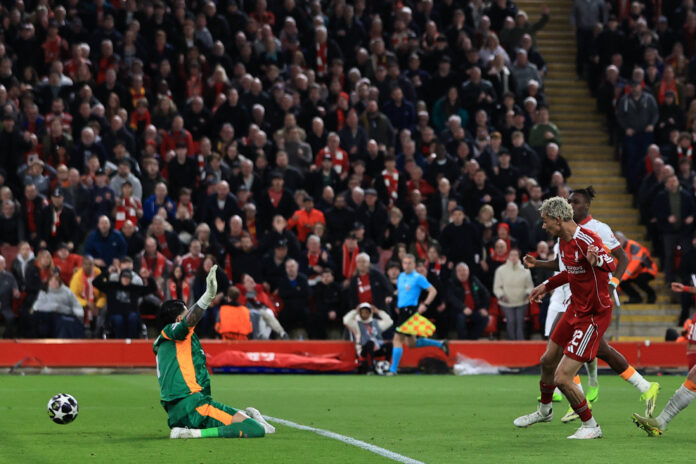

Seventy-five minutes pass in apparent defeat. The scoreboard displays a deficit that statistical models judge irreversible. Then a midfielder intercepts a routine pass near the halfway line, advancing three meters before anyone reacts.
Something imperceptible shifts within the stadium architecture. Emotional momentum in sports does not announce itself through goals alone. It arrives first as a vibration in the stands, a sudden straightening of posture among thousands. Anfield spectators recognize this phenomenon with particular acuity, having witnessed historical collapses and resurrections within the same ninety-minute frames.
Sensing the Shift Before It Registers
Crowd influence and performance creates a feedback loop operating beneath conscious perception. Supporters detect minute alterations in player body language milliseconds before commentators articulate changes. A fullback presses higher than previous attempts. A striker tracks back with renewed intensity.
These micro-signals accumulate into atmospheric pressure that opponents actually feel, not merely imagine. Belief spreads through stadiums faster than statistical probability updates. Football comeback psychology operates on this pre-rational level, where collective certainty influences individual execution before any goal confirms the shift.
The Mechanics of Comeback Psychology
One goal alters the entire narrative architecture of a match. A two-goal deficit with twenty minutes remaining becomes manageable; with ten minutes, it becomes probable. Football comeback psychology demonstrates how time perception elasticizes under pressure.
Players stop calculating remaining minutes and begin operating in continuous present tense, executing actions without outcome anxiety. Coaches observe this transition in sideline behavior. Defenders who previously cleared balls desperately now play measured passes under pressure. The psychological switch from “protecting the result” to “creating the next chance” happens collectively.
Narrowing Focus to the Present
Comebacks enforce a staying in the moment mindset through necessity. The future contains only two possibilities: victory or defeat, both paralyzing if contemplated directly. The present moment offers only the next pass, the next press, the next header.
This concentration proves impossible to fake. It emerges organically when the crowd, the scoreline, and the clock align to eliminate distraction. Players report this phenomenon as temporal distortion. Ninety minutes feel simultaneously endless and instantaneous. Staying in the moment mindset under pressure requires surrendering narrative control and attending purely to immediate sensory input.
Why We Remain Until the End
Leaving early guarantees missing the transformation. This simple mathematical reality creates behavioral commitment that compounds with every passing minute. Emotional momentum in sports generates sunk-cost psychology operating in reverse: the longer you have waited, the more expensive absence becomes.
Several mechanisms enforce this remaining:
- Anticipation of retrospective regret outweighs immediate comfort needs
- Social synchronization with surrounding spectators creating collective inertia
- Pattern recognition from previous experiences where late goals occurred
- Physiological arousal maintaining alertness beyond normal fatigue thresholds
The crowd does not merely watch. It participates in creating the conditions for reversal. Crowd influence and performance extends beyond encouragement into actual temporal manipulation.
Beyond the Stadium: Reading the Game
The ability to detect momentum before it becomes obvious separates those who catch turning points from those who hear about them later. This skill translates directly into live sports markets, where odds shift seconds after goals but momentum changes register minutes earlier to the trained observer. Reading a match for betting value requires the same present-moment focus as playing in it, you watch for the fullback’s sudden energy or the goalkeeper taking longer over goal kicks, knowing these micro-signals indicate pressure building before algorithms adjust their prices.
Specific situations where this anticipatory skill creates advantage include:
- Live markets when odds lag behind visible pressure shifts on the pitch
- Second-half scenarios where one side’s body language suggests fatigue while the other intensifies
- Cup ties where aggregate score pressure changes tactical approaches unexpectedly
- Late substitutions that alter midfield dynamics before commentators process the impact
The capacity to trust your read while markets still calculate applies anywhere immediate intuition meets shifting probability, including environments like Winshark
, where timing often matters more than certainty. When you sense the comeback forming before the odds adjust, you position yourself ahead of the curve not through luck, but through the same patient observation that keeps fans in their seats until the final whistle.
The Power of Believing in the Next Minute
Comebacks teach that the present moment carries more value than projected outcomes. Patience within intensity waiting without passive resignation, acting without desperate forcing defines successful navigation of pressure. Comeback psychology ultimately demonstrates that transformation arrives precisely when persistence faces its greatest test.
Trust your read on the next match at Winshark see if you can spot the momentum before the odds adjust.