
Controversial moment shapes narrative at Old Trafford
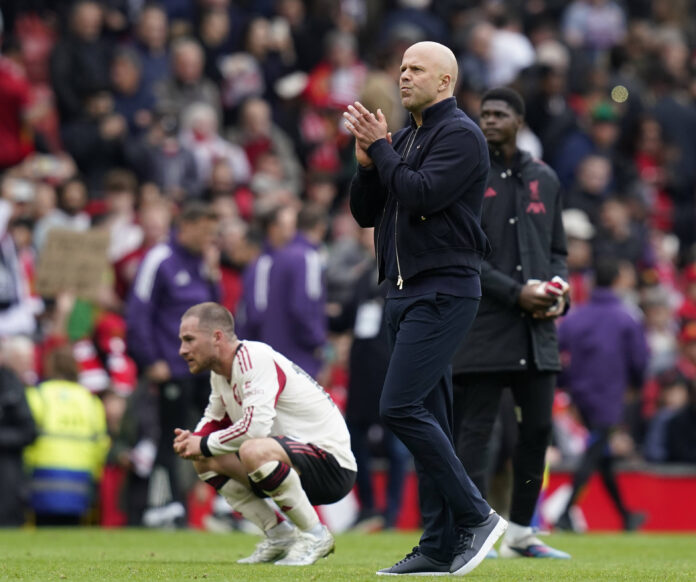
Tension around VAR decisions once again took centre stage as Arne Slot voiced frustration following Liverpool’s defeat to Manchester United. The flashpoint came early, with Benjamin Sesko at the heart of a debated second goal that has since fuelled widespread discussion.
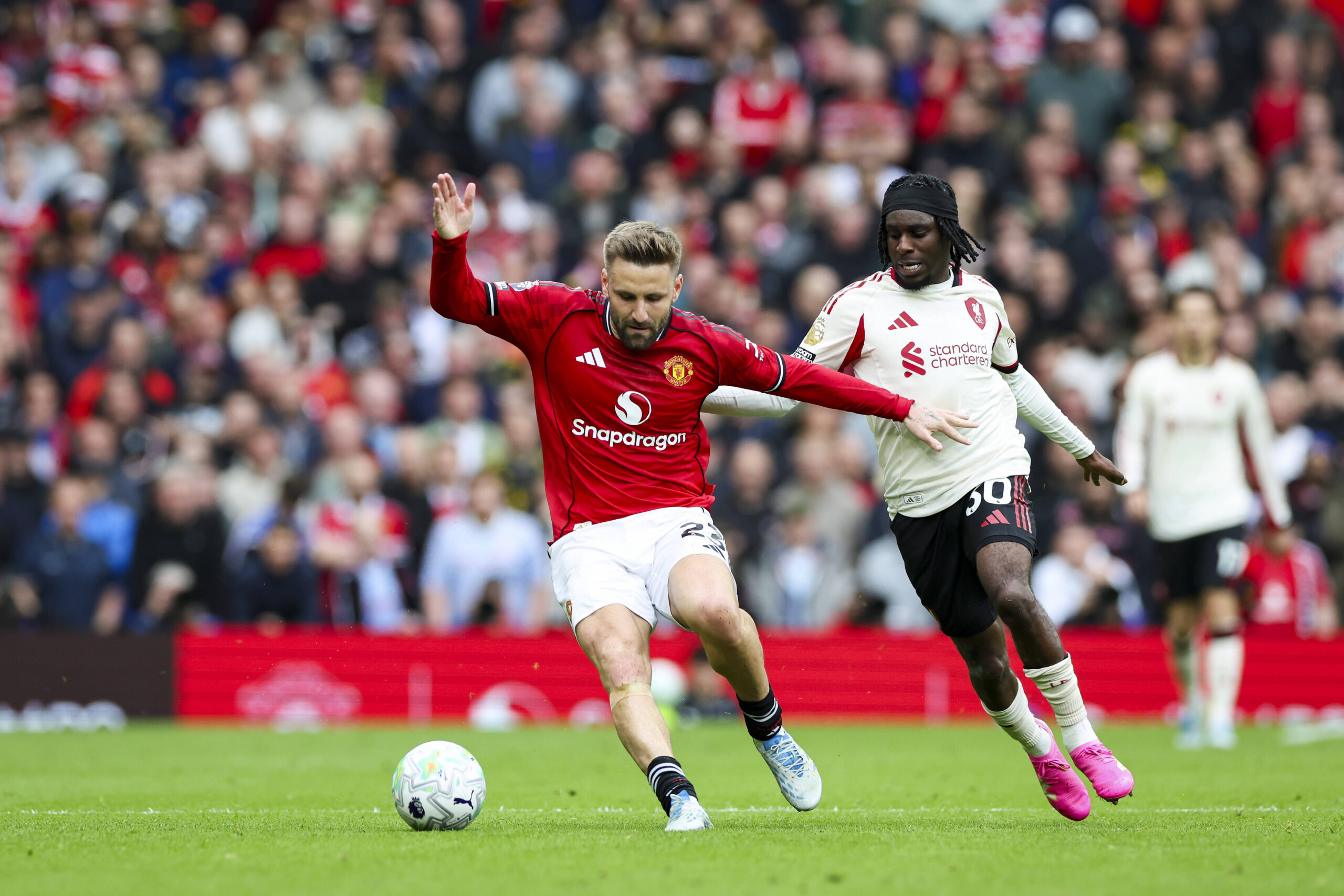
According to the original source, “Loss clouded by controversy after Sesko’s handball”, the incident unfolded in the 14th minute when Sesko appeared to bundle the ball home. At first glance, the goal stood without significant protest. However, slow motion replays later suggested a subtle, almost imperceptible touch of the hand.
What complicates matters further is the VAR process itself. The crucial angle indicating possible hand contact was not shown during the initial review. Instead, it surfaced 22 minutes later, long after the decision had been finalised. By then, the momentum of the match had already shifted.
For a Liverpool side chasing control in a high tempo fixture, such marginal calls carry disproportionate weight. In elite football, fine margins dictate outcomes, and this was another example of how officiating interpretations can tilt the balance.
Slot highlights inconsistency in officiating
Slot did not shy away from addressing the issue head on. His post match comments reflected both analytical reasoning and simmering frustration.
“If it was a touch, which I think it is, because if you know a bit about a ball sport, you know that if a ball has a certain curve and the curve changes, there must have been a contact,” he explained. “We should have a debate in football. Is that enough to disallow a goal? But I think the rule is if there was a touch, it should have been disallowed.”
This statement cuts to the core of modern officiating debates. VAR was introduced to eliminate clear and obvious errors, yet interpretation remains subjective. Slot’s argument rests on physics as much as policy, pointing to ball trajectory as implicit evidence.
He went further, suggesting a broader pattern. “I don’t think it’s a surprise to anyone this season that if there is a VAR intervention… that decision goes against us.”
Such remarks place indirect pressure on officials like Stuart Attwell, whose role in VAR oversight continues to attract scrutiny. Whether fair or not, repeated controversies inevitably shape perception.
Pattern of VAR decisions frustrates Liverpool
Slot’s frustration did not stem from a single moment. Instead, he framed the Sesko incident as part of a recurring trend.
Referencing previous fixtures, he pointed out perceived inconsistencies. “I remember Paris Saint Germain at home, getting a penalty for a soft touch… But VAR intervenes and says no. One week later… that same soft touch, the penalty stays.”
He also highlighted in game inconsistencies beyond VAR. “I saw last week my goalkeeper on the floor with an injury and the referee doesn’t stop the game. I see a player of United off the pitch today and the referee stops the game when we try to play on.”
This broader critique speaks to a lack of uniformity in decision making. For managers operating at the highest level, predictability in officiating is almost as important as correctness.
Still, Slot tempered his criticism with self reflection. “We should have a debate… but the second goal we did not concede because of the handball. We conceded it because we lost the ball in a stupid position.”
Focus shifts to performance over officiating
Despite the noise around VAR decisions and Attwell’s involvement, Slot ultimately redirected attention towards his own team’s shortcomings.
“But there’s also a pattern that we concede ridiculous goals when we are the better team,” he admitted. “One or two switching off and then we concede a goal.”
This admission adds balance to his critique. While officiating may influence outcomes, performance lapses remain within a team’s control. Liverpool’s inability to manage key moments, particularly in transition, proved costly once again.
Slot concluded with a pragmatic outlook. “We have more influence on that, so I should focus much more on that than on these referee decisions.”
It is a telling remark. In an era dominated by VAR debates, the most successful sides are those who minimise reliance on marginal calls altogether.
Yet the underlying issue remains unresolved. Consistency in VAR decisions continues to be questioned, and figures like Attwell will remain under the microscope as long as such controversies persist.
For now, this match will be remembered less for its football and more for a fleeting touch that may or may not have altered its course.