
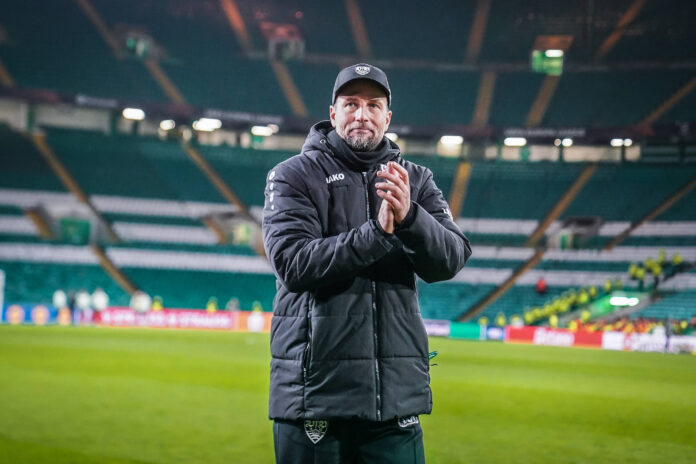

Sebastian Hoeneß Should Be Liverpool’s Number One Target
Liverpool’s disastrous season appears to be limping toward its inevitable conclusion, and with every dreadful performance the pressure surrounding Arne Slot only intensifies. The football has become stale, predictable, physically weak, and emotionally draining to watch. Even with Champions League qualification still likely even before the weekend, there is almost no belief left within large sections of the fanbase that this project can be repaired under the current head coach.
That is why I believe FSG will act, as there is literally nothing to suggest why they should not.
And when they do, the first name on the shortlist should be Sebastian Hoeneß.
The Stuttgart manager has quietly produced one of the most impressive coaching jobs in European football over the past three seasons. What he has built in Germany has not simply been competitive—it has been exciting, aggressive, modern, and tactically intelligent. Stuttgart have become one of the most watchable sides in Europe under his leadership and now head into the German Cup final against Bayern Munich looking capable of causing problems for one of football’s true giants.
At just 44 years old, Hoeneß already looks like a manager destined for the elite level.
And stylistically, the similarities to Jürgen Klopp are impossible to ignore.
The beard. The ball cap. The tracksuit. The relentless intensity on the touchline. But more importantly, the football itself. Stuttgart play with aggression, purpose, and courage. They attack space quickly, press with coordinated intensity, and overwhelm opponents with movement and tempo. It is the exact type of football Liverpool supporters have been starved of this season under Slot’s painfully slow and cautious system.
This fanbase does not just want victories. It wants identity back. Under Hoeneß, Liverpool would immediately look alive again.
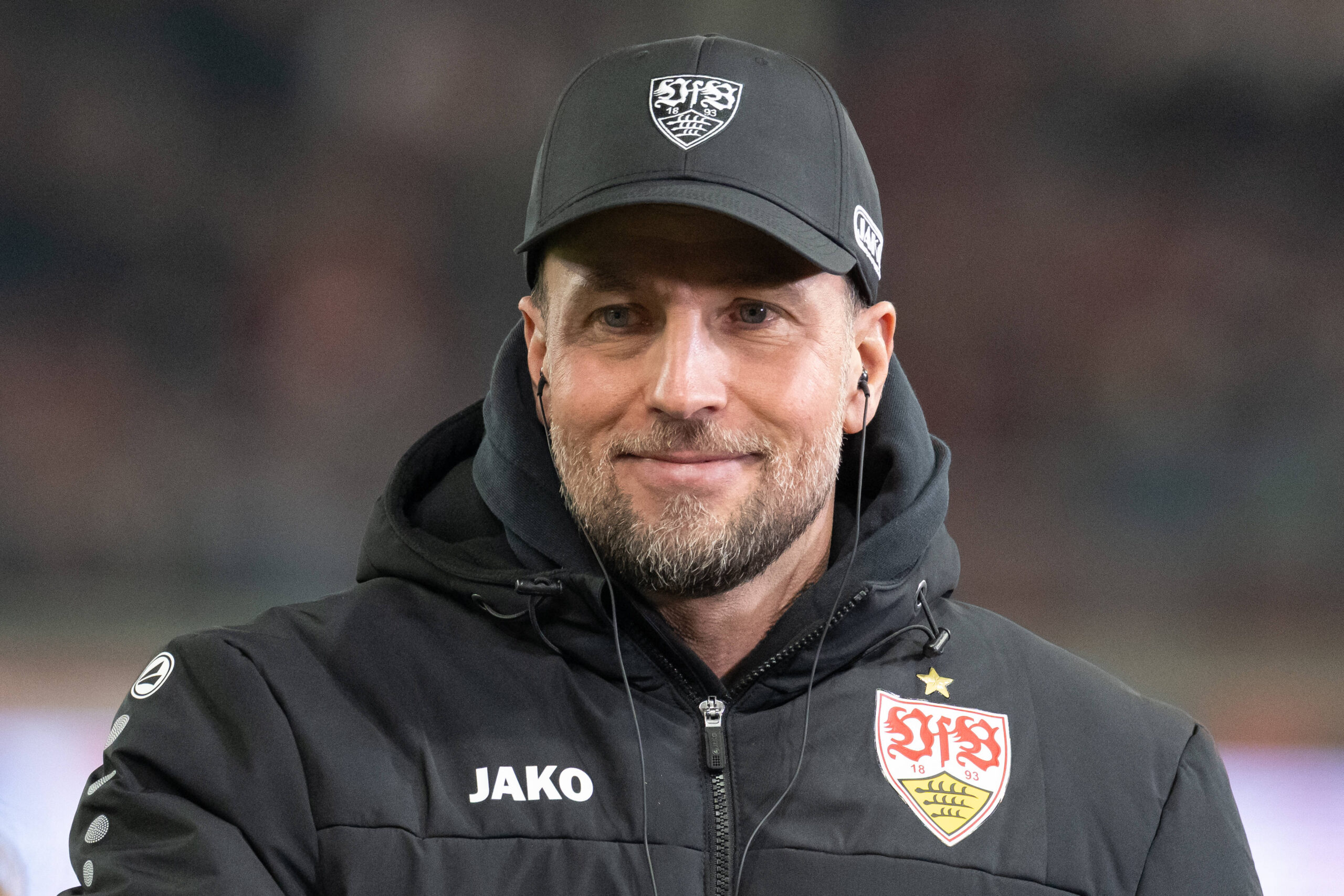
The Tactical Flexibility Liverpool is Missing
One of the most frustrating aspects of this Liverpool season has been the complete lack of tactical adaptability. Even when performances clearly deteriorated, Slot appeared incapable of adjusting structures or changing the rhythm of matches. The football became repetitive, disjointed, and increasingly passive as the campaign collapsed around him.
Hoeneß offers the opposite.
At Stuttgart, he has consistently shown tactical flexibility without sacrificing intensity. He is comfortable operating with a 4-3-3 system, a 4-2-3-1 structure, or a back three depending on the opponent and available personnel. That versatility would suit Liverpool’s current squad perfectly.
A back three could maximise the qualities of Virgil van Dijk and Ibrahima Konaté while allowing attacking wing-backs to thrive. A 4-3-3 would suit Dominik Szoboszlai’s energy and Florian Wirtz’s creativity between the lines. Meanwhile, a more fluid 4-2-3-1 could finally unlock the balance between Alexander Isak, Cody Gakpo, and Rio Ngumoha in advanced areas.
Most importantly, Hoeneß improves players.
That matters enormously.
Under Slot, far too many footballers have stagnated or regressed. The conditioning has looked poor, the confidence fragile, and the patterns of play almost non-existent. Hoeneß, meanwhile, develops squads collectively and individually. His teams look coached. They look prepared. They look physically ready for elite competition.
Liverpool does not need another conservative rebuild. They need energy. Aggression. Direction.
A few quicker additions in the transfer market, more athleticism in midfield, and a coach capable of restoring elite intensity could rapidly transform this squad back into genuine challengers again.
That is why the post-Brentford review feels so significant.
Because if FSG truly want to reset Liverpool properly after this failed season, Sebastian Hoeneß should not merely be under consideration.
He should be the priority.