

Liverpool Ownership Talks Could Signal Long Term Shift as FSG Investment Discussions Continue
Fresh details surrounding Liverpool’s ownership future have emerged, with Bloomberg reporting that the consortium interested in acquiring a minority stake in the club ultimately hopes to become majority owners over time. While any immediate deal remains centred on a minority investment, the longer term ambition outlined in the report provides a fascinating insight into how the club’s future ownership could evolve.
Negotiations remain ongoing and there is still no certainty that an agreement will be reached. Bloomberg reports that discussions continue between Fenway Sports Group and a consortium led by Amit Bhatia, with a potential purchase of up to 30% of Liverpool currently under consideration.
Bloomberg Report Reveals Long Term Ambition
According to Bloomberg, “The potential investors in Liverpool FC are planning to eventually obtain a controlling stake in the Premier League club, according to people familiar with the matter.”
The report explains that the consortium, led by Amit Bhatia, son in law of billionaire Lakshmi Mittal, is considering structures that would allow it to gradually increase its holding over time.
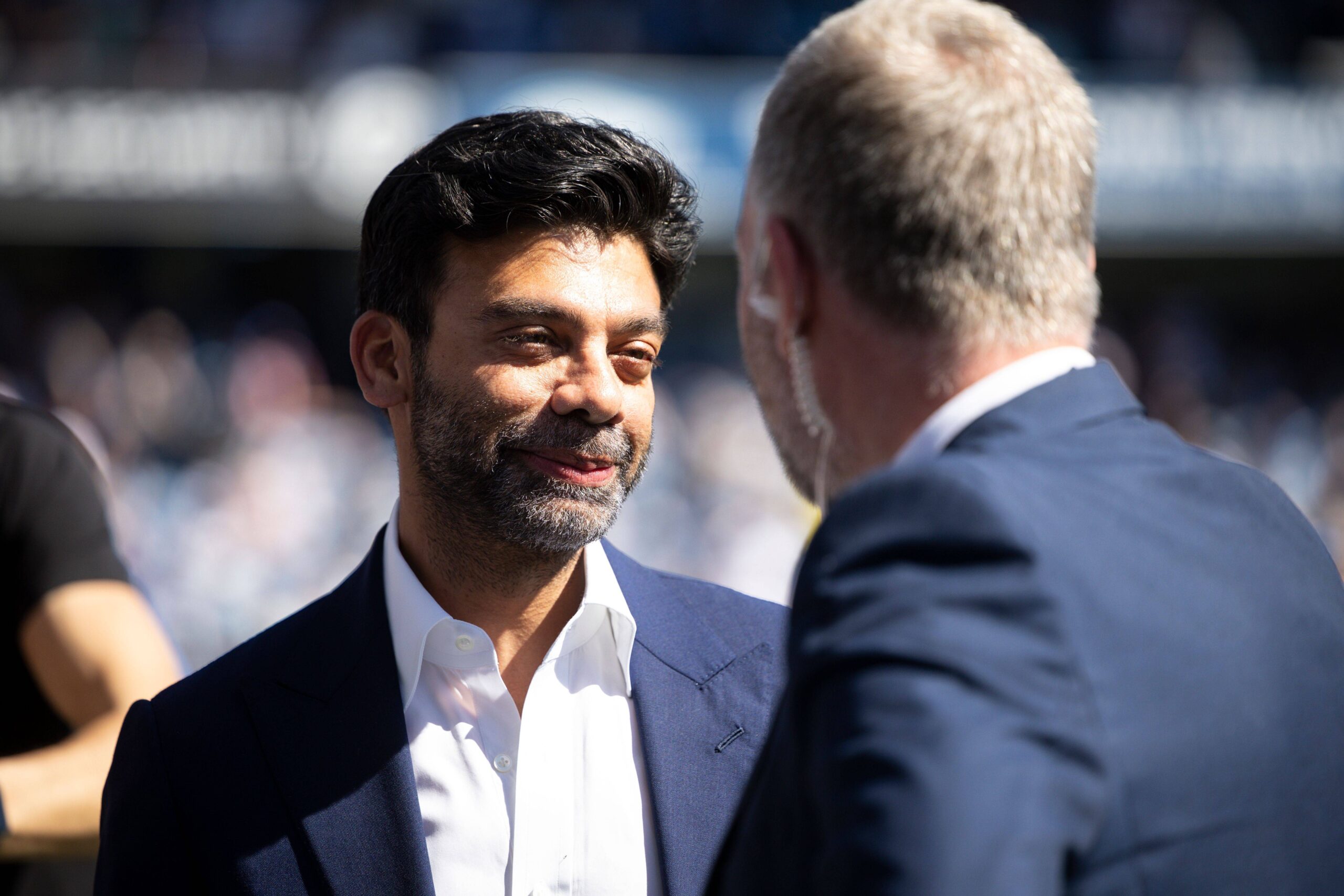
Bloomberg states that “The potential buyers are considering how to eventually take control of the team, which could include the group buying more equity in stages.”
Such an arrangement would mirror ownership structures seen across American sport, where minority investors negotiate rights that enable them to acquire further shares at a later date. While phased takeovers have become increasingly common in the United States, Bloomberg notes that they remain far less frequent within English football.
Importantly, Bloomberg also reports that “Any deal would initially be for a minority stake and FSG has no immediate plans to sell Liverpool.”
That distinction remains significant. Although future control is being explored internally by prospective investors, no agreement has yet been reached and discussions could still fail to produce a deal.
FSG Position Remains Unchanged
Fenway Sports Group has maintained a consistent public position throughout the process.
Bloomberg reports that FSG declined to comment beyond its earlier confirmation that a consortium led by Bhatia “has expressed interest in making a strategic minority investment.”
Liverpool are reportedly being valued at around $6 billion, reflecting both the club’s commercial strength and continued sporting success under FSG ownership.
The Americans acquired Liverpool for approximately £300 million in 2010 and have overseen one of the most successful periods in the club’s modern history, including two Premier League titles and Champions League success.
However, Bloomberg also revisits comments previously made by FSG co founder John Henry.
“Will we be in England forever? No.”
That quote continues to fuel speculation that an eventual full sale has always been viewed as a possibility, even if no immediate exit is planned.
High Profile Names Linked to Consortium
Bloomberg reports that Amazon founder Jeff Bezos and Facebook co founder Eduardo Saverin have both been approached regarding involvement in the consortium, although neither has commented publicly.
The wider Mittal family’s growing investment in global sport also provides context.
Bloomberg highlights recent involvement in the Boston Celtics ownership group, an attempt to acquire the Seattle Seahawks and the purchase of a 75% stake in the Rajasthan Royals.
Those investments underline the scale of financial backing potentially available should discussions progress further.
Governance Could Shape Future Process
One important element raised by Bloomberg concerns English football’s regulatory landscape.
The report explains that any future path towards majority ownership would be subject to both Premier League approval and oversight under the new Football Governance Act framework.
Bloomberg notes that control can arise through voting rights, board appointments or contractual arrangements, with regulatory approval required before any such control can formally pass to new owners.
For now, Liverpool’s focus remains firmly on football as preparations continue for the new campaign. Off the pitch, however, the ownership picture is clearly evolving. Bloomberg’s latest reporting suggests this is no longer simply about securing fresh investment, but about laying foundations for what could eventually become one of the biggest ownership changes in Liverpool’s modern history.
Our View, Anfield Index Analysis
Liverpool supporters have become accustomed to reading stories about investment over the past few years, but this latest Bloomberg report feels different. Not because FSG are about to leave, every indication suggests they are not, but because it openly discusses a roadmap that could eventually lead to new majority owners.
If that proves accurate, then this feels like the opening chapter rather than the conclusion.
FSG have transformed Liverpool since arriving in 2010. The club has gone from financial uncertainty to one of the biggest sporting institutions on the planet. World class facilities, expanded commercial revenues, Premier League titles and Champions League success have all arrived under their stewardship. They deserve enormous credit for that.
At the same time, football never stands still. Club valuations continue to rise, ownership models continue to evolve and succession planning is part of modern business. If a carefully structured transition has always been the long term plan, it would make sense for both parties to proceed cautiously.
What excites supporters is the possibility that fresh investment could eventually unlock another level of growth. Liverpool are already competing among football’s elite, but greater financial flexibility could strengthen infrastructure, recruitment and long term competitiveness even further.
There will naturally be concerns whenever ownership changes are discussed. Liverpool fans have lived through difficult periods under previous owners and will want reassurance that the club’s values remain protected.
For now, there is no deal to celebrate or fear. Discussions remain ongoing and Bloomberg makes it clear that nothing has been agreed. Yet if this consortium genuinely sees Liverpool as the centrepiece of a growing global sports portfolio, then supporters will follow every development with enormous interest. This story feels far from over.