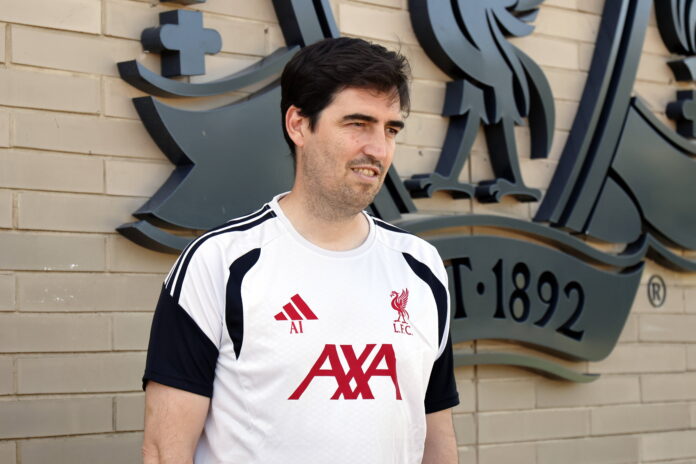

Liverpool supporters do not need a long tactical lecture to understand pressing. They have watched it, felt it, shouted with it. At Anfield, a good press is not just a defensive action. It changes the noise in the stadium. It turns a loose touch from an opponent into a moment of panic. It makes a full-back rush a clearance, a midfielder check over his shoulder, a centre-back play the safe pass instead of the brave one. That is why Andoni Iraola’s first season will probably be judged by more than league position alone.
For fans, analysts, and even those following matches through betting sites in Ireland, Liverpool’s pressing game will be one of the clearest signs of whether the new era is working. Results matter, of course. They always do. But performances leave clues before the table fully explains anything. If Liverpool press with timing, shape, and aggression, the team will look dangerous even in difficult games. If the press is messy, everything else may start to feel unstable.
Liverpool’s Pressing Identity Has Been Fading
Liverpool at their sharpest never pressed just for the sake of running. The best versions of the team pressed with a trap in mind. One player jumped, another blocked the return pass, a midfielder stepped into the loose space, and suddenly the opponent had nowhere comfortable to go. It looked wild from the outside, but it was controlled in its own way.
In recent periods, that feeling has not always been there. There have been games where the first line of pressure looked active, but the rest of the team did not move with it. A forward would close down a defender, yet the midfield stayed half a second late. That is enough at Premier League level. One clean pass through the middle, and the whole press is gone.
That is the problem Iraola has to solve. He is not building from nothing. Liverpool already have a history of high-intensity football, and the supporters still expect that kind of edge. But restoring it is not as simple as telling players to run harder.
The modern game punishes bad pressing quickly. Teams are calmer under pressure now. Goalkeepers pass better. Centre-backs invite pressure on purpose. Midfielders know how to receive with a man on their back. If Liverpool press without compactness, they are not being aggressive. They are opening doors.
For anyone reading games through football odds, pressing is one of those details that can change the feeling of a match before the score changes. A team that keeps winning the ball high can make an opponent look smaller, even at 0-0. A team that presses badly can look vulnerable even while leading. That is why Liverpool’s pressure under Iraola is not just a tactical subplot. It may become the mood of the season.
Why Iraola’s Style Depends on Pressure
Iraola’s football has usually been associated with energy, forward movement, and discomfort for the opponent. His teams are not designed to sit politely and wait. They want to make the game awkward. They want duels. They want second balls. They want the opponent to feel that every pass carries some kind of risk.
That fits Liverpool in theory. The squad has athletic players, forwards who can work without the ball, midfielders who can cover ground, and a stadium that feeds off pressure. Anfield does not need much encouragement. One forced mistake near the touchline can lift the crowd more than a long spell of harmless possession.
But there is a difference between a style fitting a club emotionally and working every week tactically. Iraola will need the press to be detailed, not just enthusiastic. Liverpool cannot afford to become a team that looks exciting for twenty minutes and stretched for the next seventy.
Pressing as the First Attacking Move
A good press is often the fastest way to create chances. Building slowly from the back has its place, but winning the ball thirty yards from goal changes everything. The opponent is open. Their full-backs may be high. Their midfield shape may be facing the wrong way. One quick pass can become a shot before the defensive line settles.
This is where Liverpool can become frightening again. If they recover the ball in advanced areas, they do not need every attack to be perfect. They need sharp reactions. They need runners close to the ball. They need players who understand that the first pass after winning possession is often the most important one.
The best pressing teams make chances look sudden. Not random, but sudden. The opponent thinks they are playing out normally, then two seconds later the ball is near their penalty area.
The Midfield Will Decide Whether the Press Works
The front line gets noticed first because the press usually starts there. Supporters see a striker chasing a goalkeeper or a winger closing down a full-back. But the midfield is where the press either becomes real or falls apart.
If Liverpool’s midfielders are too deep, the forwards can press all they want and still get played through. If they are too aggressive, the defence can be exposed. The balance is delicate. Midfielders have to step forward at the right moment, block central passing lanes, and still be ready for the second ball.
This is not just about legs. It is about body shape and timing. A midfielder who closes down too straight can be passed around. A midfielder who arrives late gives the opponent time to turn. A midfielder who jumps without cover behind him leaves space that better teams will use immediately.
Closing Lanes, Not Chasing Shadows
One of the biggest improvements Liverpool need is smarter pressure through the centre. Chasing the ball can look committed, but it is not always useful. Sometimes the better pressing action is to stand in the right place and make the pass impossible.
That is less dramatic than a sliding tackle, but it matters more. If Iraola can get Liverpool’s midfield to block routes into dangerous spaces, the press will start to feel connected. Opponents may still keep the ball, but they will be pushed into areas where Liverpool are ready to attack them.
Liverpool Need a Connected Press
The worst version of pressing is individual effort without team movement. One player runs, the next player watches, and the opponent calmly uses the space that opens up. It can even make a team easier to play against.
Liverpool need clear pressing triggers. A backward pass. A poor first touch. A slow centre-back receiving on his weaker foot. A pass into a wide area where the touchline becomes an extra defender. These moments should tell the whole team to move, not just the nearest player.
When the triggers are clear, pressing becomes faster because players do not hesitate. They know when to jump. They know where the next pass is likely to go. They know who covers behind them.
What the Best Triggers Should Create
The aim is not always to win the ball immediately. Sometimes the aim is to force a bad pass. Sometimes it is to make the opponent go long. Sometimes it is simply to stop them progressing cleanly into midfield.
If Liverpool can do that often enough, they will control games without needing endless possession. They will make opponents play at an uncomfortable speed. That has always suited Anfield.
The Risk Behind the Press
A high press always leaves space somewhere. That is unavoidable. The question is whether the team is prepared for it. Full-backs need to choose their moments carefully. Centre-backs need to defend large spaces. The goalkeeper may have to be brave with positioning.
This is where Iraola’s Liverpool could look bold or chaotic. If the back line reads danger early, the press becomes a weapon. If the defence drops too late or steps up without cover, opponents will find chances in transition.
The Premier League is full of teams that can punish one badly timed press. A single pass behind the full-back can turn pressure into panic.
Fitness and Rotation Will Matter
Pressing is expensive. Not in theory, but in legs. It demands repeated sprints, short recoveries, and concentration when tired. Liverpool may look excellent in August and September, but the real test comes when matches pile up.
Iraola cannot rely on the same players to press at full speed every week. Rotation will matter. Substitutions will matter. Squad depth will matter. Some players may suit certain pressing roles better than others, and that could shape selection more than people expect.
A pressing team that cannot refresh itself becomes easier to play against. The first step is late. The second player does not cover. The midfield gap grows. Suddenly the idea is still there, but the legs are not.
Why This Could Define Iraola’s First Season
If the press works, Liverpool will look like a team with a clear identity again. They will be aggressive, uncomfortable to face, and capable of turning defensive actions into attacks. The crowd will feel it. The players will feel it. Even matches that are not pretty will have energy and direction.
If the press fails, the opposite happens. The team can look stretched, uncertain, and too easy to play through. That kind of football makes every defensive mistake feel bigger and every missed chance feel more costly.
That is why Iraola’s first season may be defined by this one area more than any other. Not because pressing is the only part of football, but because it touches everything. It affects chance creation, defensive security, midfield control, crowd energy, and belief.
Final Thoughts
Liverpool fans will judge Iraola by results, but they will also watch for something less simple: whether the team feels like Liverpool. Pressing is a huge part of that feeling. It is not just running. It is timing, bravery, spacing, and trust between players.
If Iraola restores that edge, he can win trust quickly. If Liverpool start forcing mistakes high up the pitch again, Anfield will respond. The first season of a new manager always brings uncertainty, but the pressing game may give the earliest answer about where this team is going.