

Liverpool Ownership Talks Could Signal Beginning of the End for FSG
Liverpool could be approaching one of the most significant ownership developments of the Fenway Sports Group era, with talks reportedly progressing over the sale of a substantial minority stake in the club.
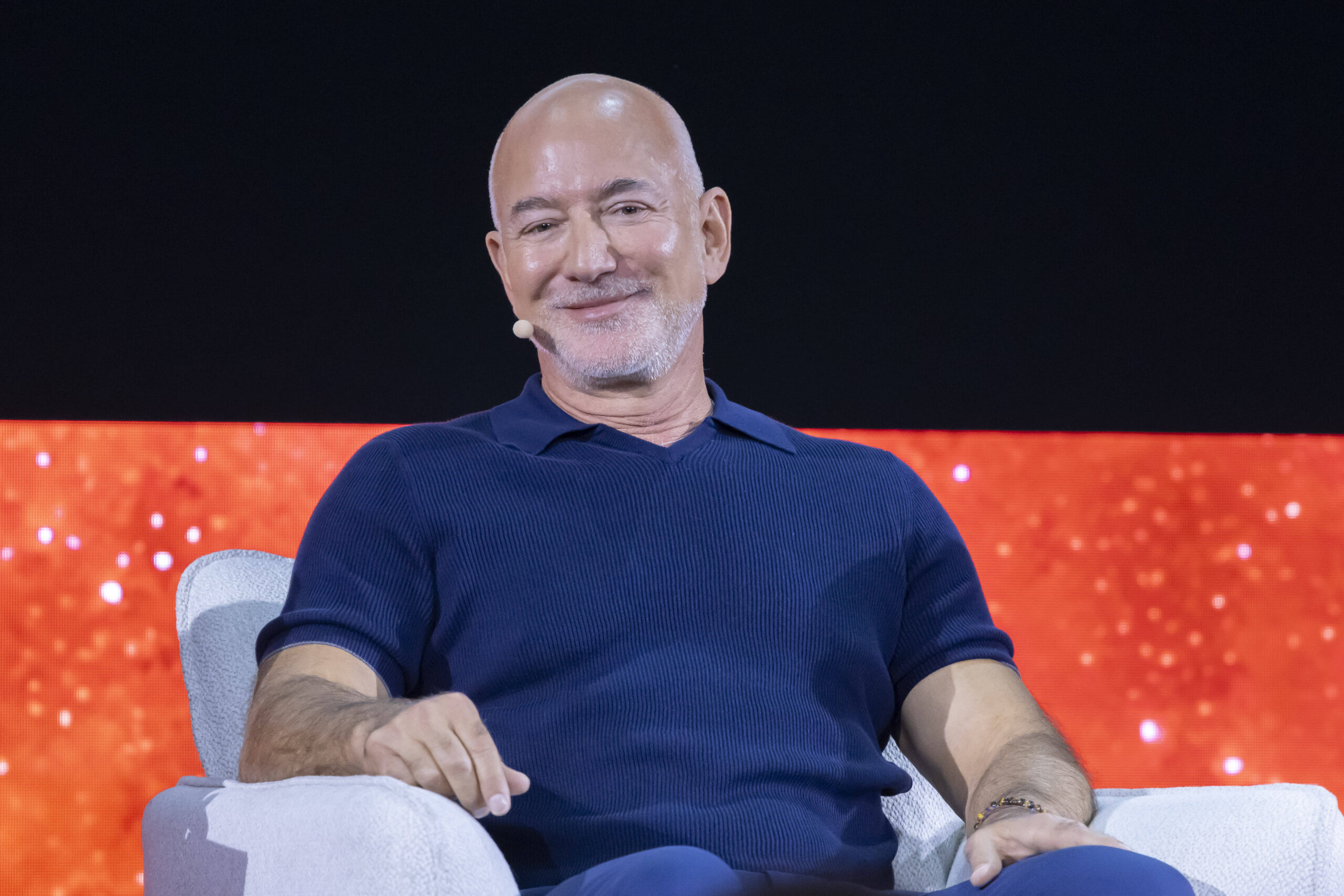
Speaking to Dave Davis on Anfield Index’s Media Matters podcast, David Lynch discussed reports that a consortium involving Amazon founder Jeff Bezos and Facebook co founder Eduardo Saverin was closing in on a deal to acquire a major shareholding in Liverpool.
For Lynch, the most significant question is not simply who might be coming in, but what the move could eventually mean for FSG.
Minority Stake Could Open Door to FSG Exit
Davis referenced reporting that the consortium could purchase around a third of Liverpool, while also pointing towards Amit Bhatia stepping down at QPR as an indication that something significant may have been developing behind the scenes.
Lynch agreed that Bhatia’s decision had been particularly notable.
“I thought the Amit Bhatia thing was so instructive,” he said. “You don’t step down after eight years unless there’s something serious happening.”
While Lynch acknowledged that deals of this size can take time, he believes Liverpool are now moving towards an important announcement.
“Clearly we are quite close to an announcement on that,” he said.
His interpretation of what follows was even more striking.
“I think this is maybe the beginning of the end for FSG at Liverpool,” Lynch explained. “I think this opens up a route towards them leaving.”
Bezos and Saverin Wealth Changes Long Term Picture
The involvement of figures with the financial power of Bezos and Saverin inevitably raises questions about Liverpool’s future ownership structure.
Lynch suggested that their presence could create an obvious pathway towards a more substantial change further down the line.
“If it’s now nailed on that Jeff Bezos and Eduardo Saverin involved and the wealth they’ve got behind them, I think it’s a clear indication that there’s an exit route there for FSG,” he said.
Lynch went further, suggesting that Liverpool supporters could potentially be entering the closing years of FSG’s ownership.
“Maybe we’re looking at, I don’t know, the last few years of their tenure in charge of Liverpool’s getting underway now,” he said.
He also floated the possibility that the minority investment could eventually become something much bigger.
“That minority stake will turn into a majority one in the nearest future,” Lynch said.
That remains Lynch’s view rather than a confirmed outcome, but it illustrates why the current talks may carry far greater significance than a straightforward minority investment.
Transfer Impact May Be More Limited
With some of the world’s wealthiest individuals potentially becoming involved, attention naturally turns towards Liverpool’s transfer spending.
Lynch offered a more measured assessment.
He pointed towards Newcastle as an example of why immense ownership wealth does not automatically translate into unlimited transfer spending under modern financial regulations.
“Having that wealth doesn’t necessarily help,” he said.
However, Lynch did suggest that completing an investment before the end of the transfer window could make Liverpool’s financial operation easier in the short term.
“It does actually give Liverpool a little bit of liquidity,” he explained.
He compared the potential impact with the previous Dynasty Equity investment, adding that increased liquidity could make it easier to pay transfer fees in cash and manage payments across the season.
“It helps you to just be able to pay the transfers in cash and those sorts of things,” Lynch said.
Even so, he was clear that supporters should not automatically expect a dramatic spending spree.
“I don’t think it’s going to result in a huge cash injection in the squad,” Lynch said. “I think it’s going to be run in the same way because the rules are so tight these days.”
Ownership Future Matters More Than Immediate Spending
For Lynch, the larger story concerns where FSG go from here.
“I think the more interesting aspect is kind of what this means really in the long term and where FSG are going,” he said.
His conclusion was straightforward.
“To me, it just suggests that I think they’re on the way out.”
There is still uncertainty surrounding the structure, timing and eventual consequences of any investment, and Lynch also urged some caution over what a change of ownership could bring.
“I think there should be some trepidation from supporters because sometimes it’s better the devil you know, isn’t it, with these things?” he said.
Liverpool may therefore be approaching a significant transition. A minority stake would not immediately end FSG’s control, but Lynch’s assessment on Media Matters was clear, this could prove to be the first meaningful step towards a much larger ownership change at Anfield.