Liverpool Right to Keep Cody Gakpo Despite Late Manchester City Interest
Liverpool closed the transfer window with familiar debate swirling around the squad. Supporters wanted more done, and with good reason. Early-season performances have raised legitimate questions about depth at right-back and the make-up of the midfield, particularly after no specialist No 6 arrived and Curtis Jones departed. Those concerns have not gone away, and Andoni Iraola now carries the burden of finding internal solutions on the training ground and in matches.
Yet amid that frustration, one decision taken late in the window looks sound. According to The Athletic, Liverpool chose against selling Cody Gakpo to Manchester City after serious consideration was given to a deal worth around £80m. Once the dust settles, that call may prove one of the smartest pieces of business the club completed all summer.
This was not a straightforward situation. Liverpool had already committed major money to Bradley Barcola, finalising a £123m move from Paris Saint-Germain, and there was a clear sense that the reshaping of the forward line could yet stretch further. Gakpo had interest from more than one club, with Tottenham Hotspur in the picture, but City represented the preferred destination. Liverpool, for their part, explored alternatives and weighed whether a sale could be offset by a fresh arrival out wide.
That is where the logic of the market met the football reality of the squad. There were discussions around Yankuba Minteh after previous bids of £50m and £60m had been rejected by Brighton & Hove Albion. Ismaila Sarr was another player considered. Both are credible names, both offer speed, and both might have altered the attacking balance in Iraola’s options. Even so, replacing Gakpo with either would have felt more like movement for the sake of movement than meaningful improvement.
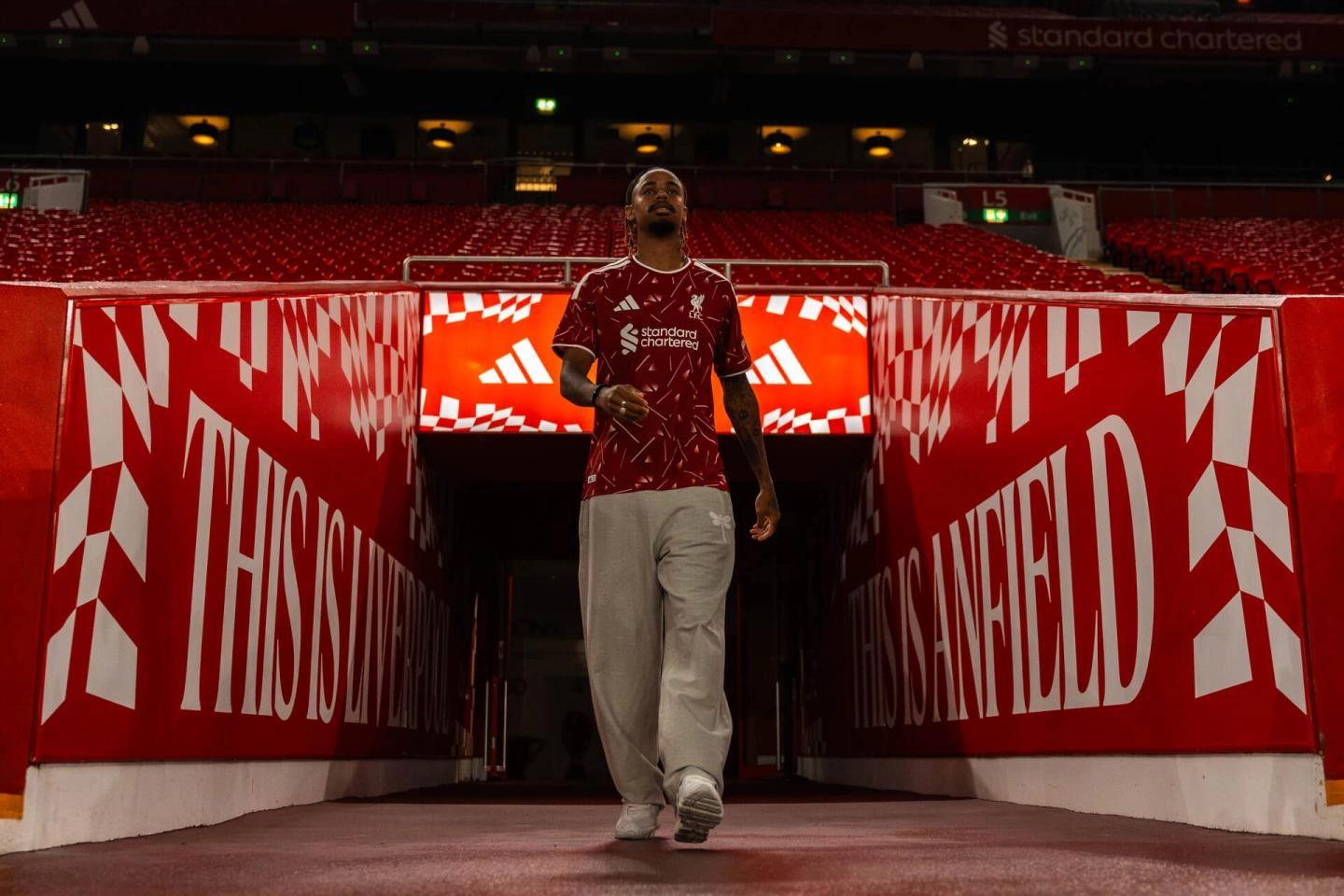
Cody Gakpo Value Goes Beyond Transfer Fee
There was obvious financial appeal in the proposal. Liverpool signed Gakpo from PSV for £44m in January 2023, so an £80m sale would have represented a substantial profit on paper. For recruitment departments and executives, those margins matter. They shape future flexibility and can make difficult decisions look highly attractive.
But elite clubs cannot assess every outgoing purely through the lens of resale value. Liverpool are in a period of transition under Iraola, and while the squad has evolved at the top end with the arrivals of Barcola and Victor Munoz, continuity still matters. Gakpo offers that. He is established, he is versatile, and crucially he already understands the level required at a club expected to compete in multiple competitions.
Recent form strengthens the case. He was highly influential in the Premier League-winning 2024-25 campaign, scoring 18 goals in all competitions, and although his performances dipped last season along with others in the squad, his opening to this campaign has been encouraging. He scored at Newcastle United in the 2-2 draw and supplied the assist for Alexander Isak against Nottingham Forest. Those are tangible contributions in a side still searching for rhythm.
There is also an important practical point. Liverpool’s attacking depth looks healthier with Gakpo staying. Isak is central to the side’s goalscoring hopes, while Hugo Ekitike remains sidelined with an Achilles injury until around the middle of the season. Barcola, for all his quality, may require time to find his sharpness after not playing since the World Cup. In that context, removing a proven forward would have introduced avoidable risk.
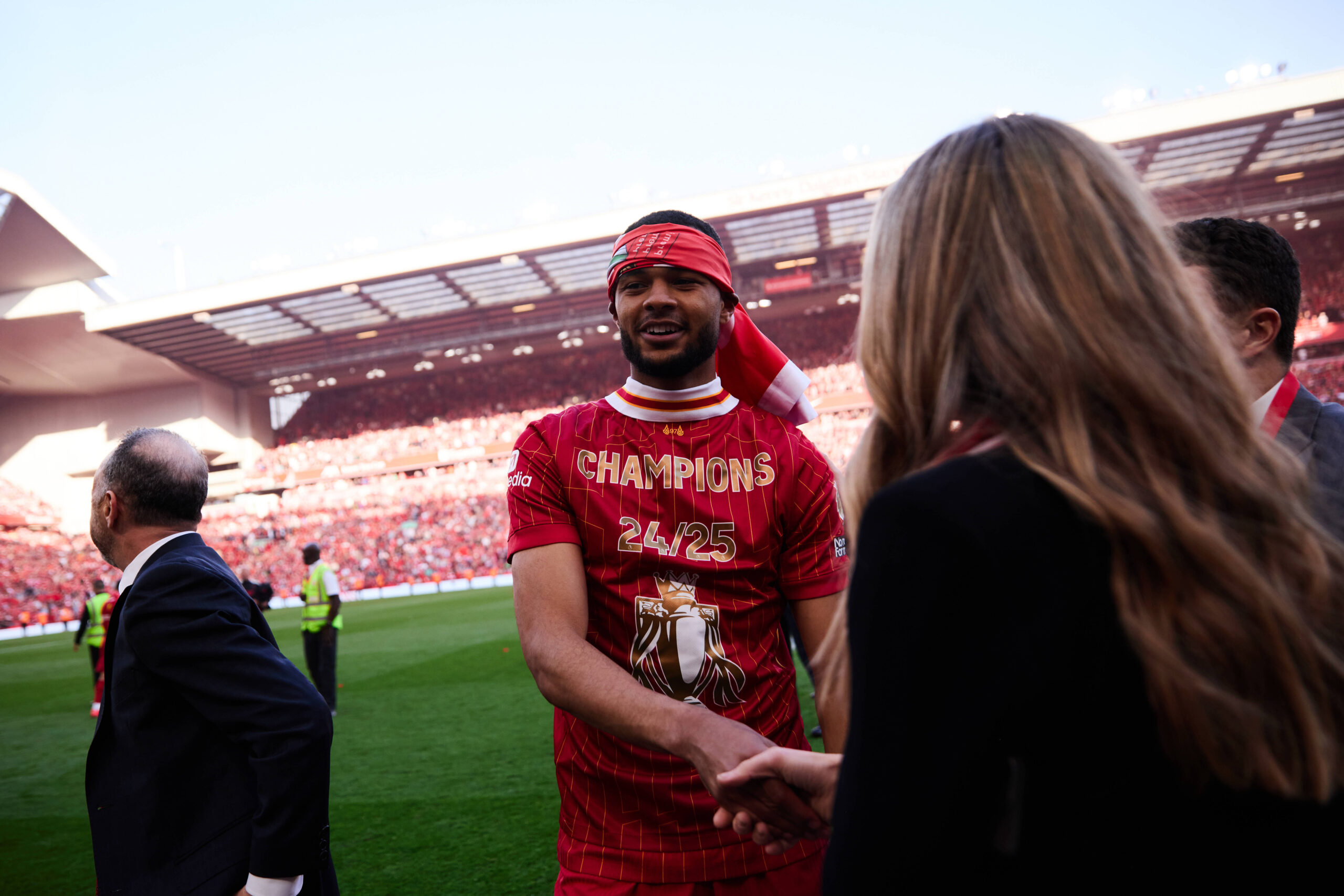
Manchester City Move Would Have Created More Questions
There is always sensitivity when direct business is discussed between major rivals, particularly two clubs who have spent much of the last decade in close competition. Liverpool and Manchester City do not often trade players, and it is easy to see why a move of this profile would have caused unease. Beyond supporter reaction, there is a broader strategic concern. If you are trying to close the gap at the top, willingly strengthening a direct competitor requires a very clear upside.
It is difficult to identify that upside here. Gakpo may not be the perfect stylistic fit for every attacking configuration, but he remains a high-level option capable of playing across the front line. If Liverpool had sold him and ended up with an injured Minteh or an expensive Sarr, the outcome could have looked poor very quickly.
Minteh, at 22, has talent and room to develop, but surgery on his right leg is expected to keep him out for around two months. Sarr produced strong numbers for Crystal Palace last season, yet paying north of £60m for a player who turns 29 in February would have invited scrutiny. In both cases, Liverpool would have been taking on either short-term unavailability or questionable long-term value, while parting with a player already trusted within the building.
That is why this became less about sentiment and more about squad architecture. Liverpool have enough attacking quality to rotate and adapt through a busy spell of fixtures. They do not have an abundance of certainty in other departments. In that environment, preserving a dependable attacker feels prudent.
Andoni Iraola Needs Stability In Attack
Iraola’s early weeks have already made one thing clear. He values intensity, flexibility and players willing to work across different roles. Gakpo fits that brief. He started on the right against Forest, has experience on the left, and can cover centrally if required. Liverpool’s mix of wide players gives the head coach options to vary his front line from game to game, which matters even more with five matches to come in 16 days.
That versatility is particularly relevant because Liverpool’s transfer window was built around adding pace and dynamism out wide. Barcola and Munoz were recruited with those demands in mind. The club also moved to bolster other areas, with Jeremy Jacquet viewed as a replacement for Ibrahima Konate and Ronald Araujo arriving on loan to help ease defensive injury concerns. Those additions have a rationale. They add profile-specific qualities and address at least part of the attrition that comes with a long season.
What Liverpool did not do was complete the final layer in midfield or at full-back. Conor Bradley’s absence has already placed pressure on Jeremie Frimpong, whose start has been unconvincing, and the ongoing discussion over balance in midfield will only intensify if results continue to fluctuate. That backdrop makes it even more understandable that Liverpool eventually decided not to create another issue in attack.
There is often a temptation late in the window to treat every outgoing as an opportunity, particularly when a large offer lands. Sensible clubs know when to resist. Liverpool appear to have done that here. They assessed the alternatives, recognised the compromises involved, and stepped away.
Gakpo Decision Could Matter Across Premier League Season
Another point worth noting is how Gakpo has handled the uncertainty. Situations like this can easily become awkward, particularly when a player has interest elsewhere and a move reaches an advanced stage of discussion. Yet he remained involved, trained normally, and continued to contribute on matchdays. That professionalism should count for something inside the dressing room and among supporters.
It also helps explain why Iraola continued to trust him from the start despite the surrounding noise. Managers tend to read body language quickly, and selections usually reflect what they see daily. If Gakpo had disengaged, it would likely have shown. Instead, Liverpool have kept a player who appears ready to compete for his place and help the team immediately.
Captain Virgil van Dijk made his position plain after the draw with Forest when he said, “I want Cody to stay not only because he’s a quality player but also because he’s a friend of mine. He’s very important for us. I think we should keep quality players.” That sentiment, while personal, also aligned with the football logic.
Liverpool may still pay a price later in the season for failing to do more at right-back and in midfield. That concern remains valid and may shape how this window is judged in the months ahead. But windows should be analysed deal by deal as well as in the round. On this specific issue, the club appear to have reached the right conclusion.
There is enough uncertainty elsewhere in the squad without voluntarily stripping away proven quality in attack. Gakpo staying does not fix every problem, and it does not erase the wider debate about recruitment priorities. What it does do is preserve depth, maintain flexibility and avoid handing Manchester City an accomplished forward who could have made a difference in the title race.
Sometimes the smartest move in a transfer window is the one a club chooses not to make. For Liverpool, holding on to Cody Gakpo may fall firmly into that category.
Source: Athletic