





Former Liverpool Coach Ruben Peeters Reveals Arne Slot Secrets and Luis Diaz’s Influence
Liverpool’s Premier League triumph in 2024/25 remains a remarkable achievement, although the subsequent collapse under Arne Slot has inevitably complicated how that period will be remembered. For Ruben Peeters, however, the experience remains deeply personal.
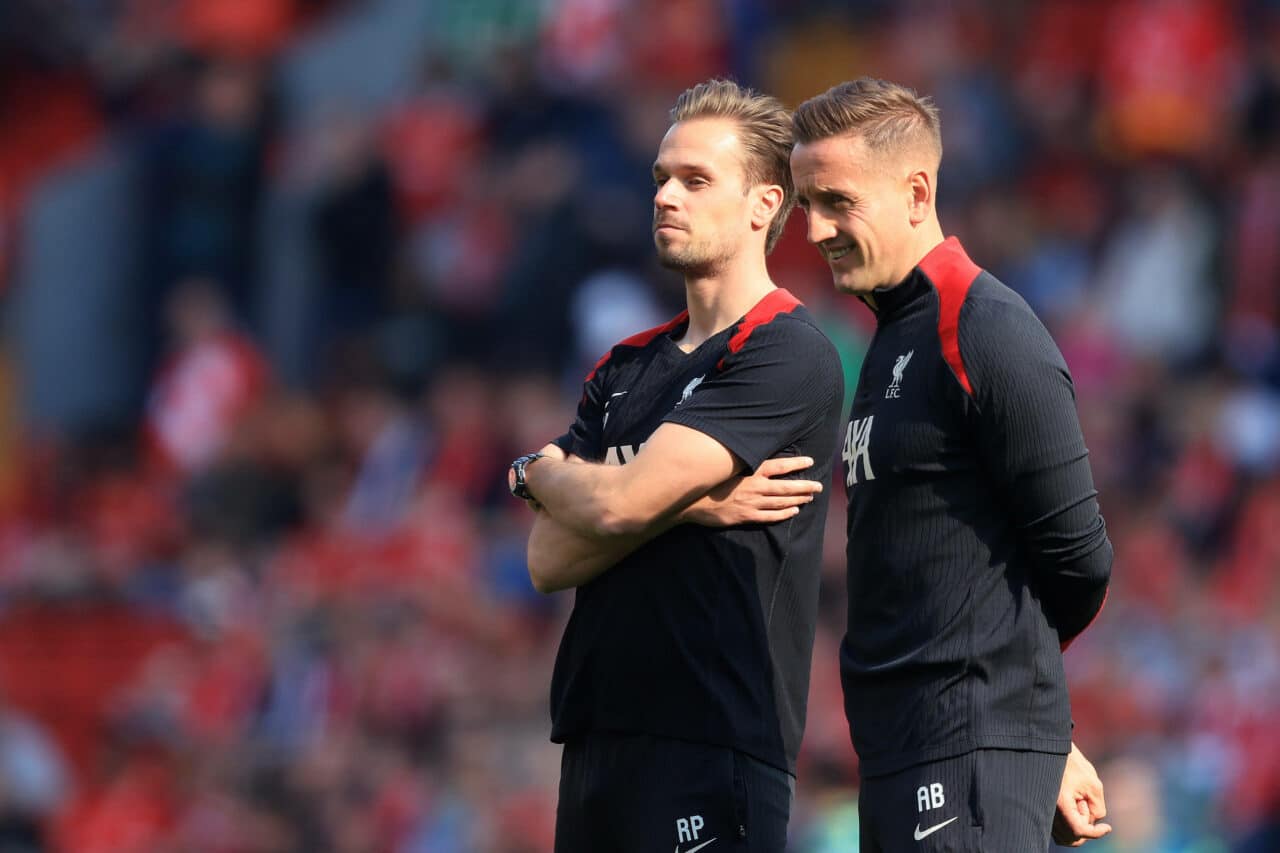
The former Liverpool lead performance coach has offered a fascinating insight into the methods, personalities and relationships that shaped Slot’s time at Anfield.
Speaking to Gregg Evans of The Athletic, Peeters reflected on Liverpool’s title celebrations, the importance of Luis Diaz and the demanding philosophy behind elite football performance.
Ruben Peeters Reflects on Liverpool’s Premier League Triumph
Liverpool’s title parade in May 2025 provided Peeters with an understanding of the club’s emotional significance.
“What you realise is how happy the team has made so many people,” Peeters tells The Athletic. “It was only on that day when it all properly kicked in. The passion was remarkable. Nothing like I’d ever seen before, and it will probably only be when my career ends that I can look back and actually appreciate the achievement.”
His affection extends throughout the organisation.
“The openness you experience from the people at Liverpool is incredible,” he says. “From the gatekeeper (at the training ground), to the kitchen people, those at the coffee bar and staff in other departments. It’s unique.”
Those observations offer an important reminder of the human relationships underpinning Liverpool’s success.
Luis Diaz and Liverpool’s Dressing Room Culture
Perhaps the most revealing aspect of Peeters’ interview concerns the personalities responsible for maintaining Liverpool’s atmosphere.
“Ibou Konate, Robbo (Andy Robertson) and Luis Diaz were great at relieving stress and bringing fun and enthusiasm. Diaz was incredible. His South American dancing! Although his English was not great, he was always in a good mood and eager to win games or the competitions we ran in training, so it was great to have him in the group.
“Virgil (Van Dijk), Mo (Salah), and Macca (Alexis Mac Allister) were on a very good level of professionalism already, so they helped me with requests to the other guys.”
Diaz’s contribution clearly extended beyond his performances on the pitch. His enthusiasm helped sustain the collective spirit that successful teams require.
For Liverpool, whose subsequent struggles have prompted questions about the squad’s balance, these recollections carry particular significance.
Arne Slot’s Liverpool Methods and Performance Philosophy
Peeters’ approach to performance management reveals the extraordinary attention devoted to preparing modern footballers.
“Football always comes first,” Peeters says.
“That means selecting the right drills, applying the appropriate training load, and manipulating volume and intensity. It’s not just about making players fitter.”
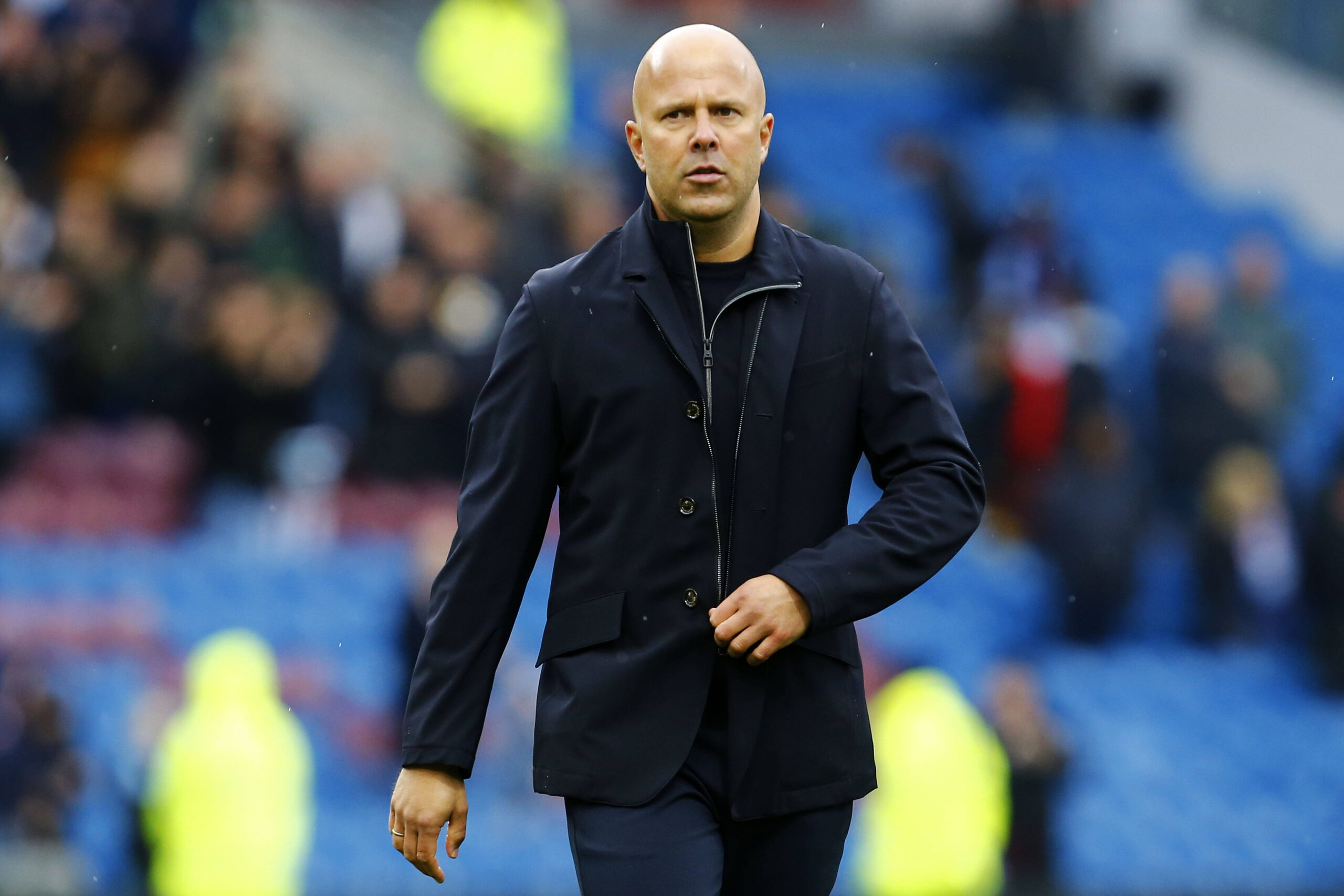
Photo IMAGO
He also emphasised the importance of departmental cooperation.
“A slightly inappropriate training stimulus, insufficient recovery, poor communication between departments or a nutritional strategy that does not match the player’s individual needs might seem insignificant in isolation, but without alignment, it can create a domino effect.”
Peeters believes individual responsibility remains fundamental.
“It’s not about creating more rules or controlling every aspect of a player’s life; it needs to come from intrinsic motivation.”
His own dedication borders on obsession.
“I’m a bit of a freak when it comes to my body,” Peeters admitted.
That commitment helps explain why Slot valued his contribution so highly.
Our View – Anfield Index Analysis
For Liverpool supporters, Ruben Peeters’ interview offers a fascinating glimpse into what made Arne Slot’s title-winning side function so effectively.
The comments about Luis Diaz are particularly interesting. There has been considerable discussion about Liverpool’s attacking evolution since the Colombian departed, but Peeters highlights another dimension of his importance.
Every successful dressing room needs personalities who bring energy, humour and enthusiasm. Diaz clearly possessed those qualities in abundance.
His departure may have had consequences beyond the obvious tactical considerations. That does not mean Liverpool’s subsequent difficulties can be attributed to one player leaving, although the collective impact of losing influential personalities deserves greater scrutiny.
Equally revealing is Peeters’ description of Virgil van Dijk, Mohamed Salah and Alexis Mac Allister.
Their professionalism helped establish standards across the squad, reinforcing why retaining experienced leaders remains so important during periods of transition.
There is also something rather poignant about Peeters’ affection for Slot.
Liverpool supporters witnessed a remarkable Premier League triumph followed by an extraordinarily disappointing title defence. Understandably, opinions about Slot’s legacy remain complicated.
However, the relationships described here suggest that his methods inspired genuine loyalty among those working closest to him.
For the current Liverpool hierarchy, there is a lesson worth considering.
Recruitment, tactical innovation and financial investment all matter enormously. Yet maintaining the right culture, particularly when circumstances become difficult, remains equally important.
Peeters’ recollections provide another reminder of how special that championship-winning Liverpool side really was.