
Liverpool Investors and Involvement Raise Major Questions Over Club’s Future
Liverpool are entering a period of potentially profound change, with Dave Davis and Trev Downey examining what increased investor involvement could mean for the club during the latest Transfer Show on Anfield Index.
With a 38 per cent ownership group already involved and the possibility of further change ahead, Davis believes Liverpool supporters should be cautious about assuming increased financial power automatically provides every answer.
“We’re supposed to believe that these guys will have no say,” Davis told Trev. “We’re supposed to believe that these guys who could take full control, as we know, of the club within 12 months aren’t going to be maybe looking at this.”
For Liverpool, questions surrounding investor involvment and the future structure of the club now extend into the sporting operation.
Liverpool ownership questions continue to grow
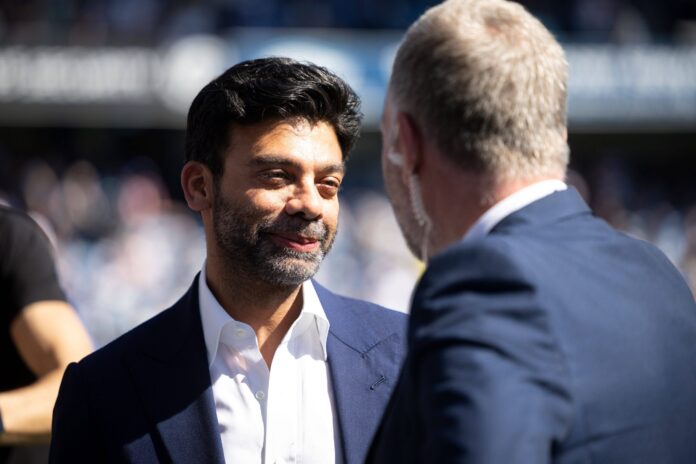
Davis highlighted Amit Bhatia and the potential significance of his position, pointing towards his public profile and previous involvement at QPR.
“He’s already been involved in the Barcola deal,” Davis said.
His message over what he wants from those operating at the top of Liverpool was emphatic.
“Liverpool chairman, Liverpool vice chairman. Three things. Shut your mouth, sign the checks, get the smartest football people in the room.”
Davis returned to that point later, adding: “Do we really want a vice chairman who’s going to be so public, so front-footed?”
Downey could understand why supporters might respond positively to greater communication.
“I can see how a huge portion of our fans will really warm to someone who’s saying the right things and making noises that they that the fans want to hear,” he said.
Sporting director decision carries added significance
Liverpool’s search for Richard Hughes’ replacement was also central to the Transfer Show discussion.
David Woodfine, Pedro Marques and Julian Ward were assessed as potential candidates, with Davis particularly interested in Ward.
“Ward can do everything,” he said, describing him as Liverpool’s “Swiss Army knife”.
Davis subsequently identified Ward as the possible leading candidate: “It’ll definitely be I would suggest the front runner at the moment.”
Downey agreed, saying: “I think he is the front runner for all the reasons you said.”
Pedro Marques presented a different proposition. Davis spoke enthusiastically about his reputation for developing pathways between youth and senior football.
“He is seen as a youth pathway genius,” Davis said.
That creates its own question. Davis asked whether moving Marques into the sporting director position would remove him from the area where he has established such a strong reputation.
Investor involvement could reshape Liverpool
Much of the intrigue comes from what might happen if the existing 38 per cent stake develops into something greater.
Davis pointed to the enormous financial figures now surrounding Liverpool, including the difference between what FSG originally paid for the club and the potential value of commercial agreements today.
“Now we can bathe in money,” he joked while discussing the changing financial landscape.
Yet his warning remained consistent.
“You might just have to be careful what you wish for.”
Downey believes Liverpool may be witnessing the beginning of a much bigger transformation.
“I think we’re at the start of something buddy,” he said. “When there’s that much of a cash injection, literally all bets are off.”
Liverpool face defining 12 months
Davis repeatedly returned to the uncertainty surrounding what comes next. A sporting director appointed now could potentially find the landscape around him changing considerably.
“We could genuinely have, even if we appointed someone today, a brand new sporting director, a brand new ownership group within 12 months,” he said.
That uncertainty sits alongside Liverpool’s contract issues and wider football decisions.
Davis summed up the extraordinary situation by asking how Liverpool could have “multi-billionaires on the board, record sponsorship deals” while simultaneously dealing with significant footballing questions.
His conclusion captured the scale of what lies ahead.
“There’s still billions of things to sort out which won’t all necessarily just be fixed with cold hard cash.”
For Liverpool, the coming months could therefore be about considerably more than new investment. Ownership, sporting leadership and the influence of new investors are all part of a changing picture, one which Davis and Downey believe could shape the direction of the club well beyond the next transfer window.